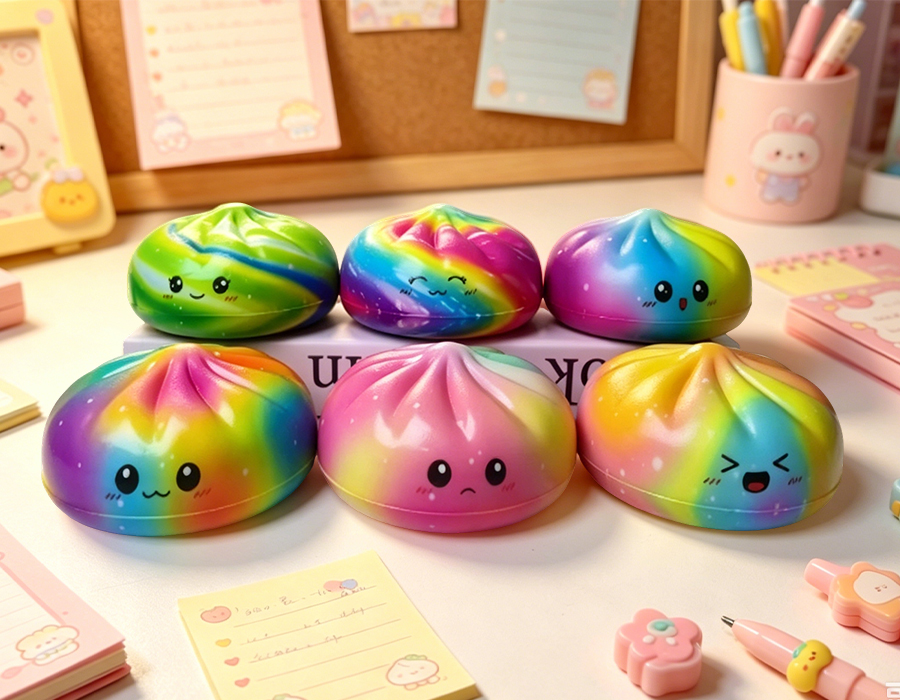
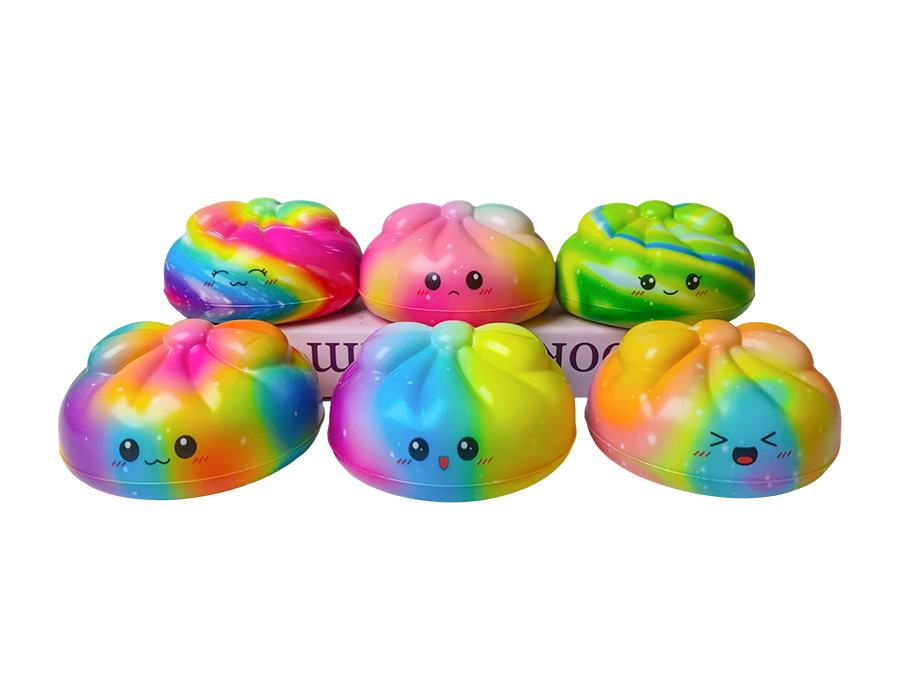
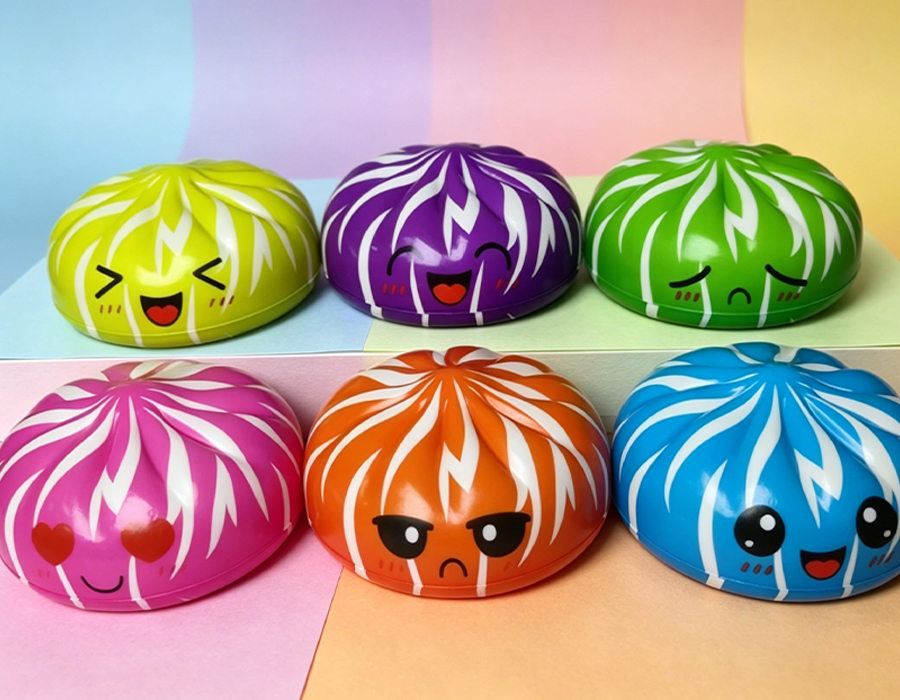
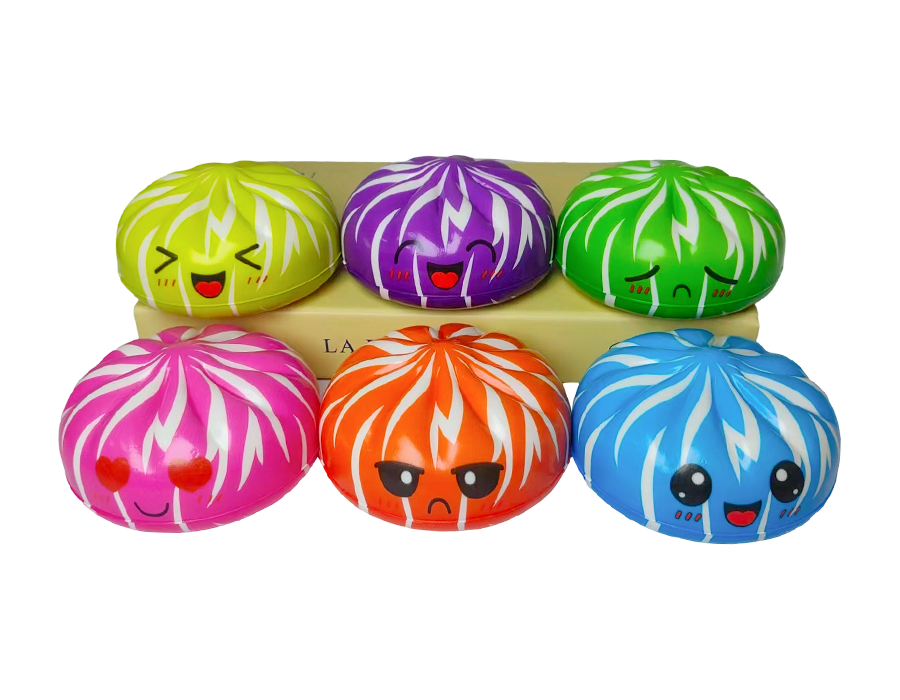
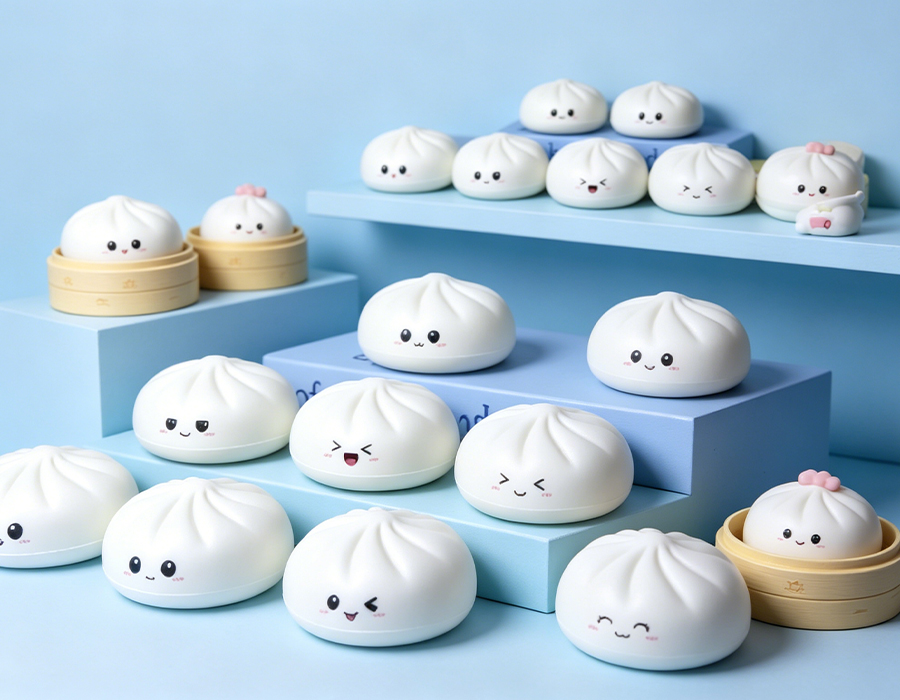
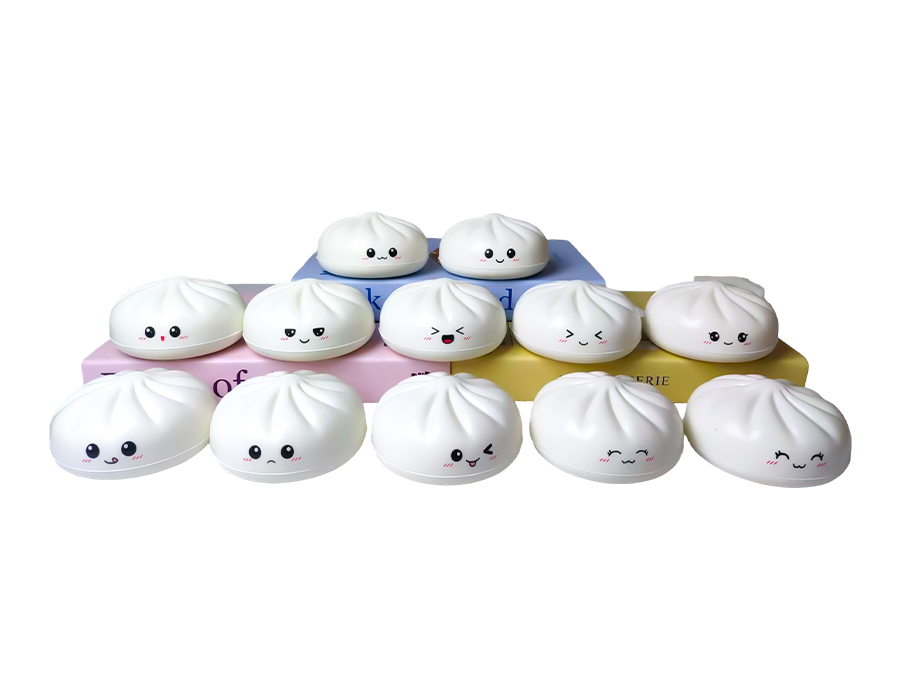
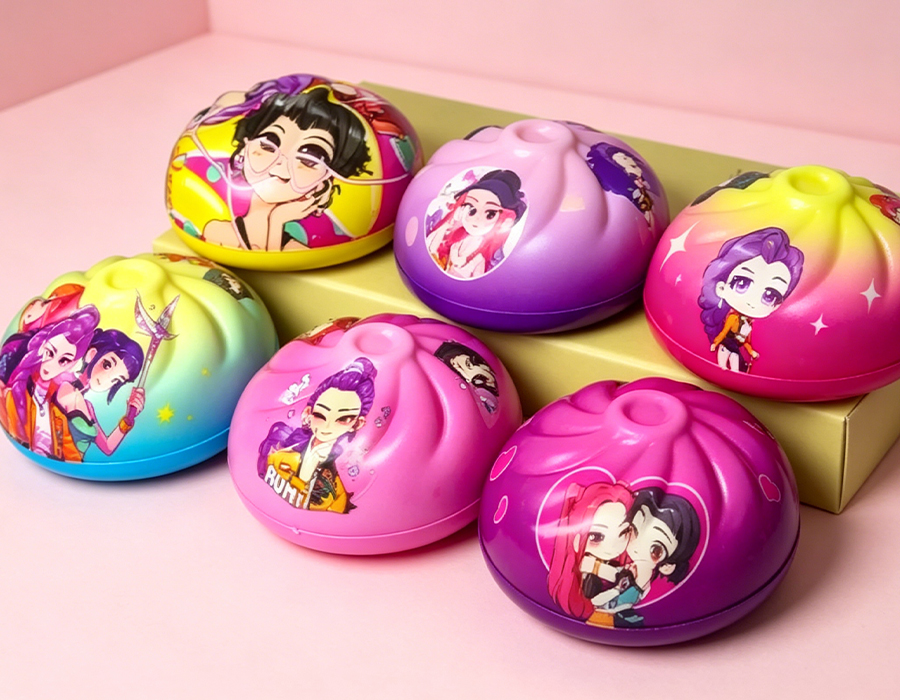
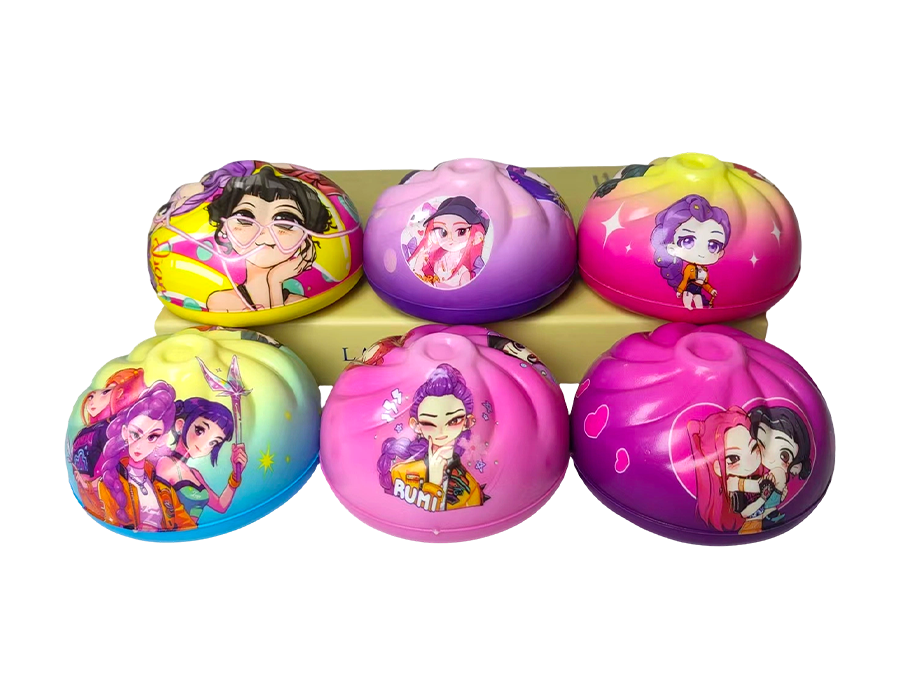
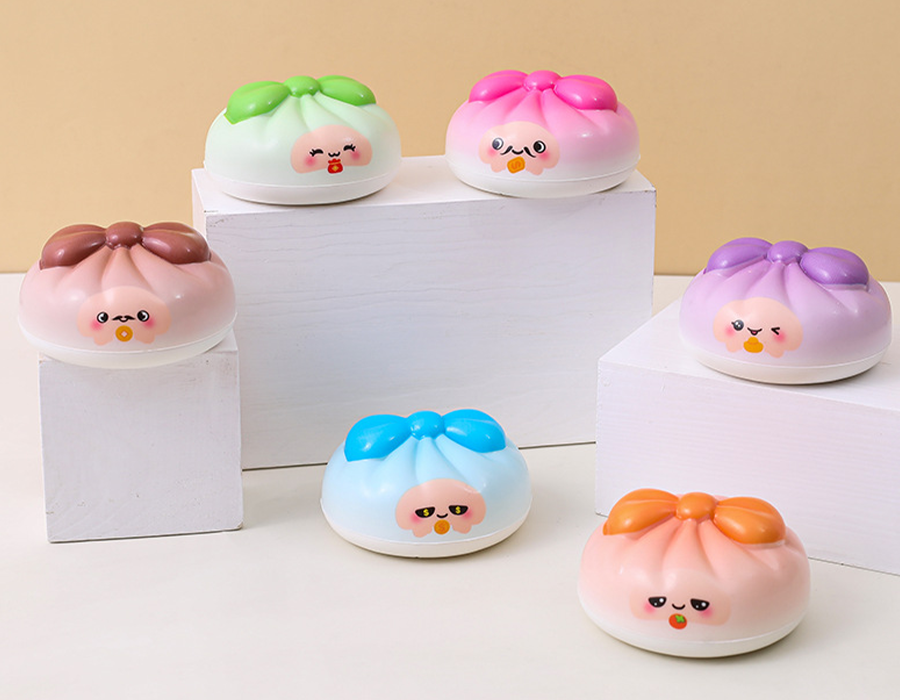
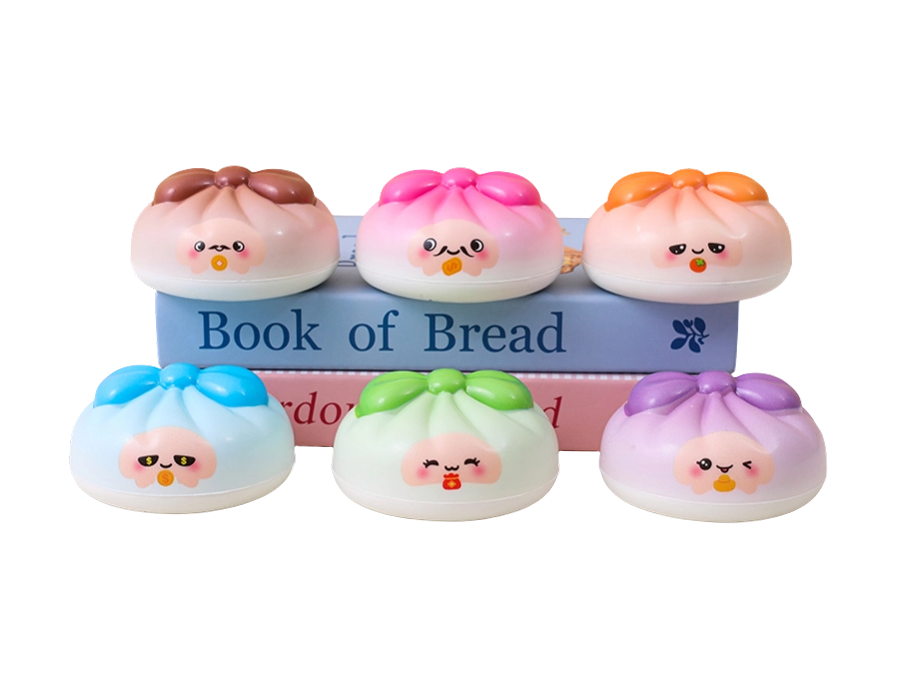
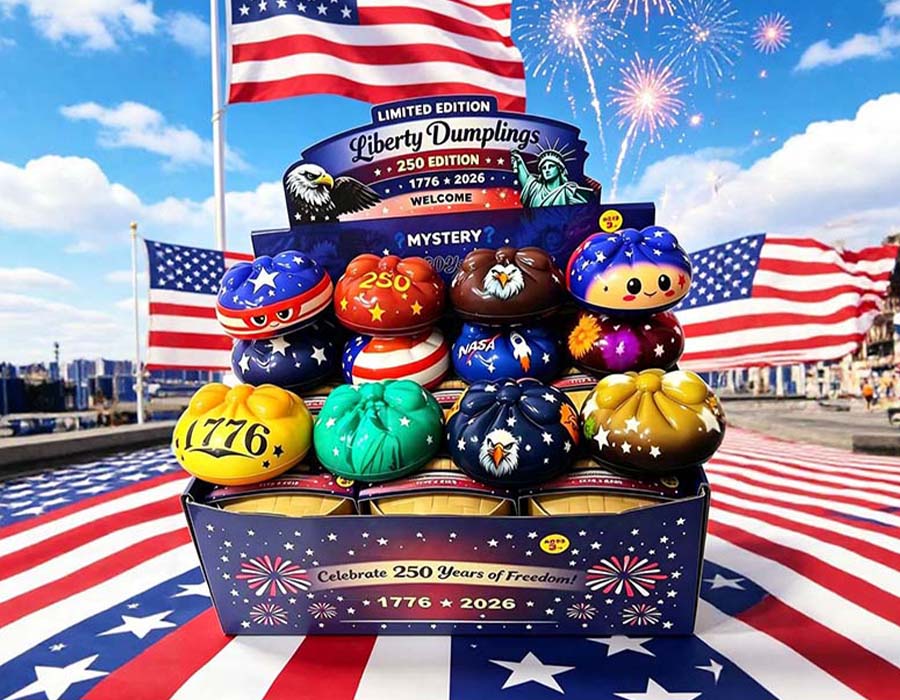
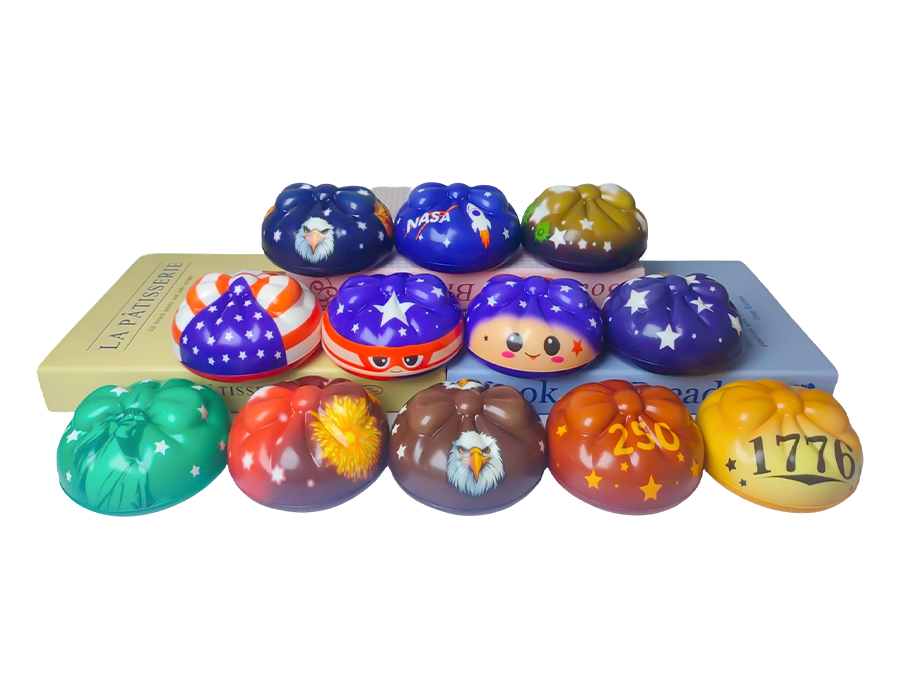
Butter Cheese Stick Toys are a sub-category of food-themed squishies—slow-rebound soft foam or rubber toys modeled after dairy products such as butter blocks, butter sticks, cheese blocks, and cheese sticks.
While their core structure resembles standard squishies, the key differences lie in the realism of their appearance and the tactile quality of the material:
- Material: PU foam is the standard material, offering both softness and a slow-rebound effect; some mid-to-high-end lines use refined soft-rubber formulas to better mimic the oily sheen and dense, creamy texture of real butter or cheese.
- Realism of Shape: Butter-themed products typically replicate the rectangular profiles and cutting marks of butter sticks or blocks, often featuring surface finishes that create a subtle sheen or slightly oily look; cheese-themed products often replicate the characteristic holes and angled cuts of cheese blocks.
- Color and Finish: Butter items usually feature gradients of pale yellow or creamy white, while cheese items are typically bright yellow with realistic hole patterns; the painting process directly influences the level of realism and the product's appetizing appeal.
Use Cases for Butter Cheese Stick Toys
- Promotional Gifts for Food & Beverage Brands
Typical buyers include the marketing departments of dairy brands, bakery chains, and restaurant groups. The butter and cheese shapes align perfectly with their core products, making them ideal for membership rewards, new product launch promotions, or social media campaign merchandise; order quantities vary based on the scale of the event.
- Blind Box & Trendy Toy Merchandise
Typical buyers include trendy toy brands, IP licensors, and creative merchandise companies. Food-themed squishies are a popular category for blind boxes; they often require the development of themed sets—such as a Cheese Family or Butter Squad—with high standards for painting detail and stylistic consistency.
- Retail (Children's Toys & Maternity/Infant Channels)
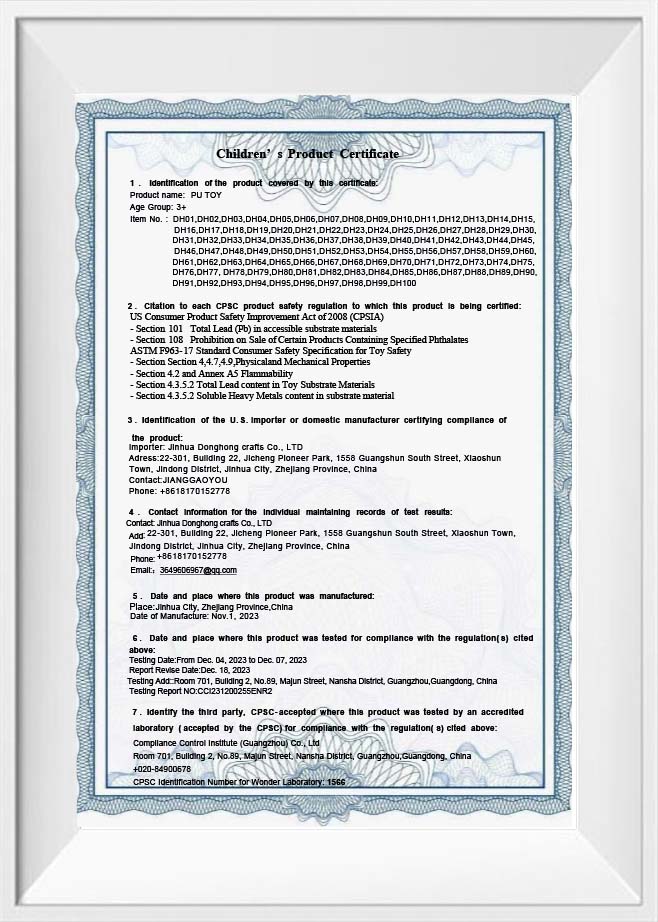
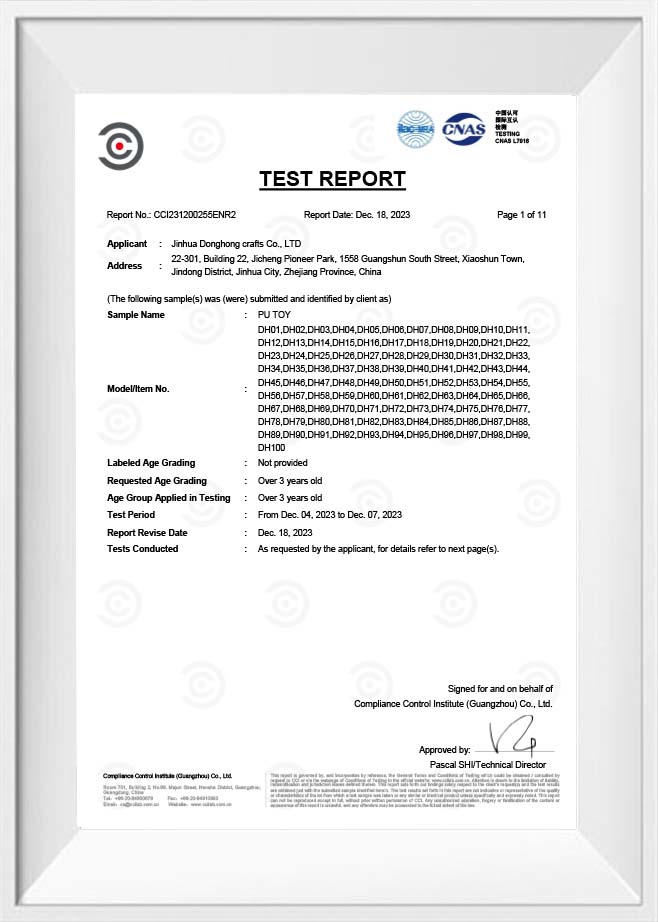
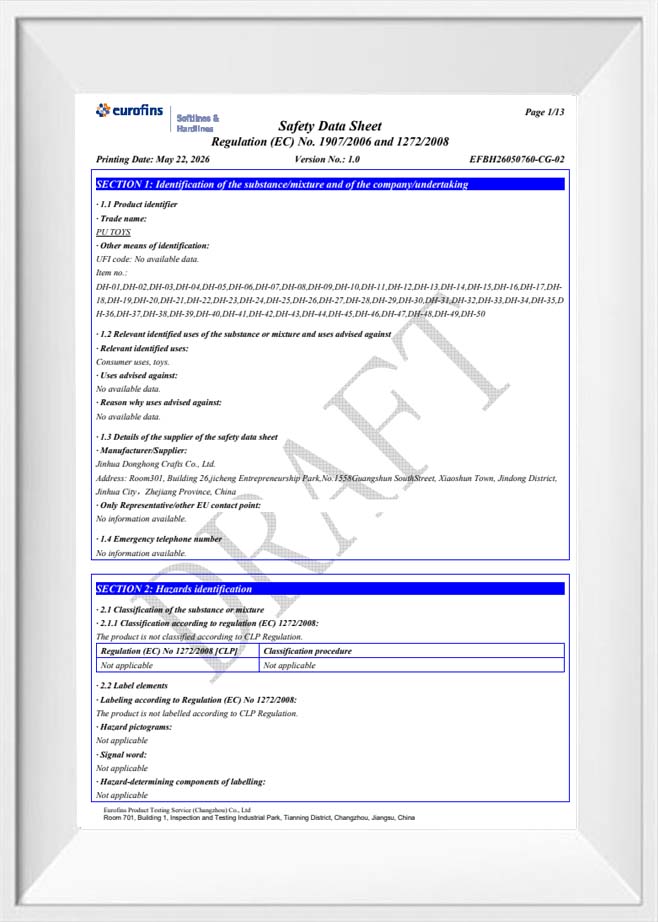
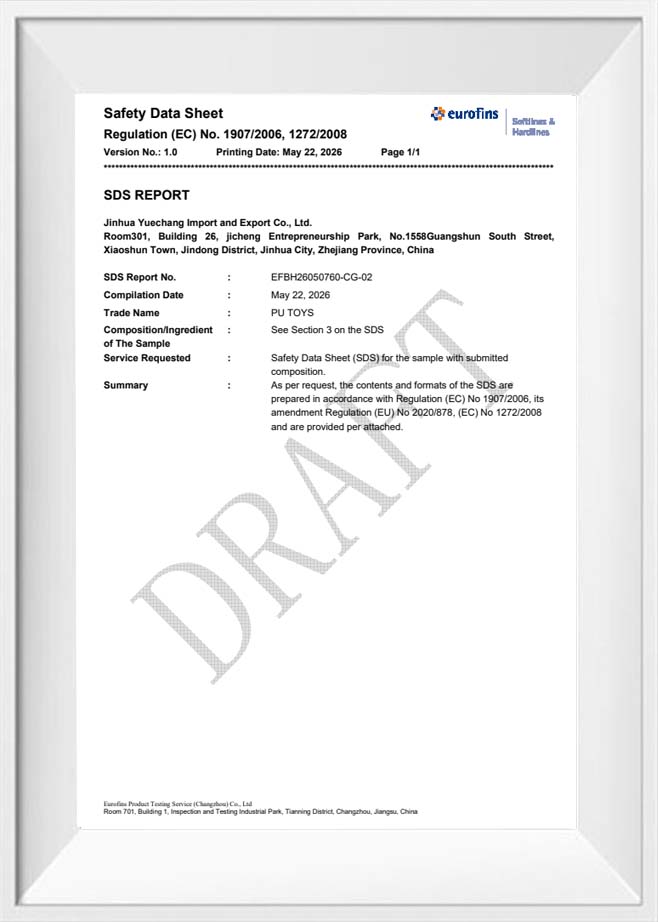
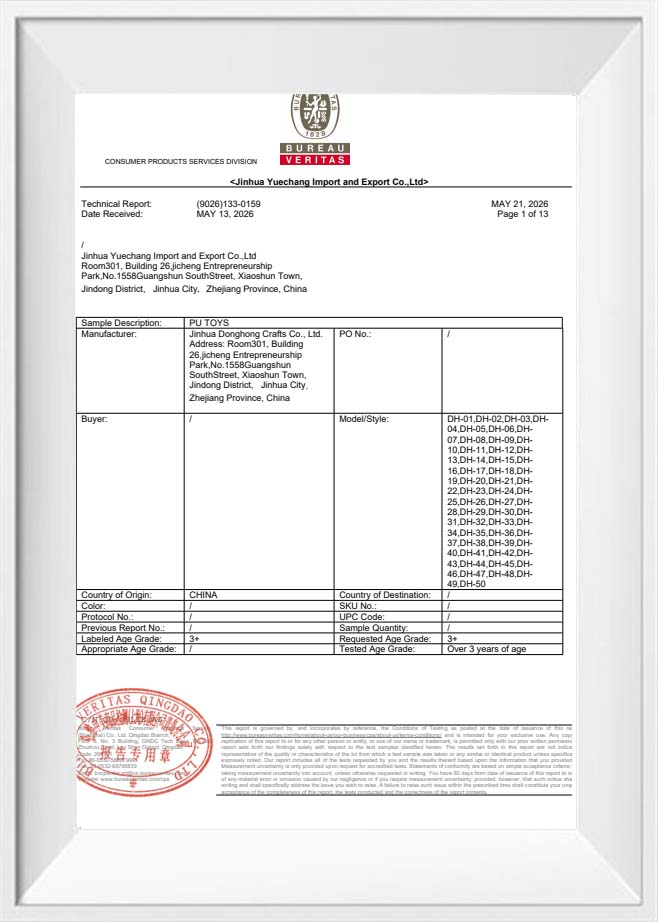
Typical buyers include toy wholesalers, maternity and baby stores, and cross-border e-commerce sellers. Food shapes hold a natural appeal for children, and these toys are often sold as educational or soothing items; buyers must prioritize compliance with safety certification requirements for children's toys in the target market.
- Giveaways for Trade Shows and Offline Events
Typical buyers include trade show organizers and exhibitors at food or agricultural expos. With their intuitive, highly recognizable designs, these items are ideal for attracting foot traffic and boosting interaction at booths; procurement typically involves medium-to-large volumes with short lead times.
- Office Stress-Relief Toys and Social E-commerce Gifts
Typical buyers include direct-to-consumer (DTC) e-commerce brands and operators of social gifting platforms. Food-themed "squishies"—with their appealing looks and high shareability on social media—often serve as viral must-have items; for scenarios prioritizing tactile quality, buyers often opt for premium versions like Butter Soft PU squishies.
Reasons for Procurement: Why Choose This Category?
- Designs generate natural buzz and align perfectly with food brand marketing
Unlike generic cartoon shapes, food-themed designs (such as butter or cheese) resonate strongly with the brand identity of dairy, bakery, and foodservice companies. When used as co-branded gifts or promotional giveaways, they foster stronger brand recall, minimizing the marketing inefficiency that occurs when a gift feels disconnected from the brand.
- Great potential for series development and product line expansion
Butter and cheese naturally come in various forms—sticks, blocks, slices—making it easy to create family series or co-branded sets. This flexibility meets procurement needs for multi-SKU combinations (such as blind boxes or gift sets), allowing a single development cycle to yield multiple product variations.
- Controllable unit costs make them ideal for large-scale promotional giveaways
Basic models (e.g., butter or cheese block squishies) utilize standard PU foam manufacturing, keeping costs manageable. This makes them suitable for high-volume procurement scenarios where unit price is a key factor, such as trade show giveaways or channel promotions.
- Tiered options for tactile feel and realism allow for alignment with various budgets and use cases
Buyers can select products based on budget and intended use—ranging from basic models to premium Butter Soft PU squishies—without needing to switch suppliers for different price points (e.g., distinguishing between mass-market giveaways and premium merchandise).
- Mature manufacturing processes with standardized prototyping and mass production workflows
The production of realistic food-themed squishies is well-established in the toy and gift OEM industry. Processes such as mold making, color prototyping, and mass production are standardized, making procurement timelines and technical risks relatively controllable (actual delivery dates depend on the supplier's confirmed capacity).
Frequently Asked Questions
Q1: What is the difference between Butter Squishy Toys and Butter Soft PU Squishies?
A: Both share the same basic shape—modeled after a stick or block of butter—but differ in foam density and tactile feel. Butter Squishy Toys are produced using standard techniques; they offer moderate firmness and rebound speed, providing better cost-effectiveness. Butter Soft PU Squishies are softer and have a slower rebound, closely mimicking the smooth, soft texture of real butter; they are ideal for mid-to-high-end merchandise or co-branded gifts. We recommend evaluating the actual samples to experience the specific firmness levels.
Q2: What procurement needs do Cheese Block Squishies and Cheese Squishy Toys suit?
A: Cheese Block Squishies feature the classic, highly recognizable cheese wedge/block shape, making them suitable for standalone purchases or as the core item in a product series. Cheese Squishy Toys is a broader term covering various cheese-themed designs—such as cheese sticks, slices, or anthropomorphic characters—making them ideal for clients looking to develop a complete product line (e.g., a "Cheese Family" collection).
Q3: Can the design be replicated based on a brand's existing product packaging graphics?
A: Yes. The typical process involves: providing the actual product or high-resolution images → supplier assesses the feasibility of creating a realistic mold → quotation and confirmation of mold-making timeline → prototyping to confirm shape and paint finish → mass production. Please consult the supplier for specific details regarding the process, timeline, and costs.
Q4: Will the paint finish on butter or cheese-shaped squishies fade or peel over time?
A: Paint durability depends directly on the coating process used and the usage environment (e.g., prolonged exposure to sunlight or frequent friction). We recommend discussing weather resistance, testing methods, and results with the supplier during the prototyping stage; this page does not make a blanket guarantee regarding paint durability.


 English
 русский
 Français
 Español
 Deutsch
 عربى
عربى