

 English
 русский
 Français
 Español
 Deutsch
 عربى

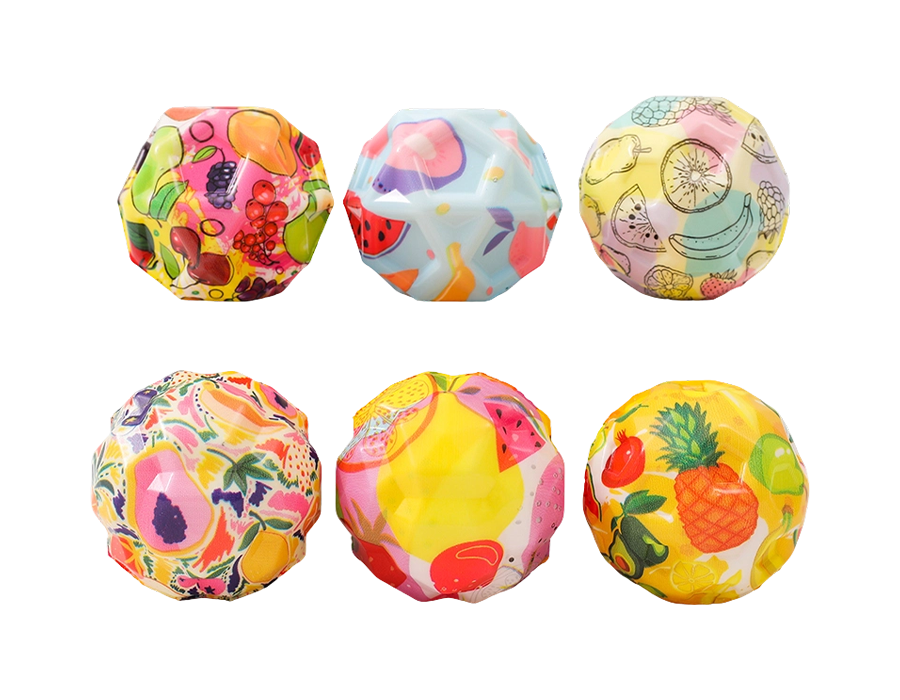
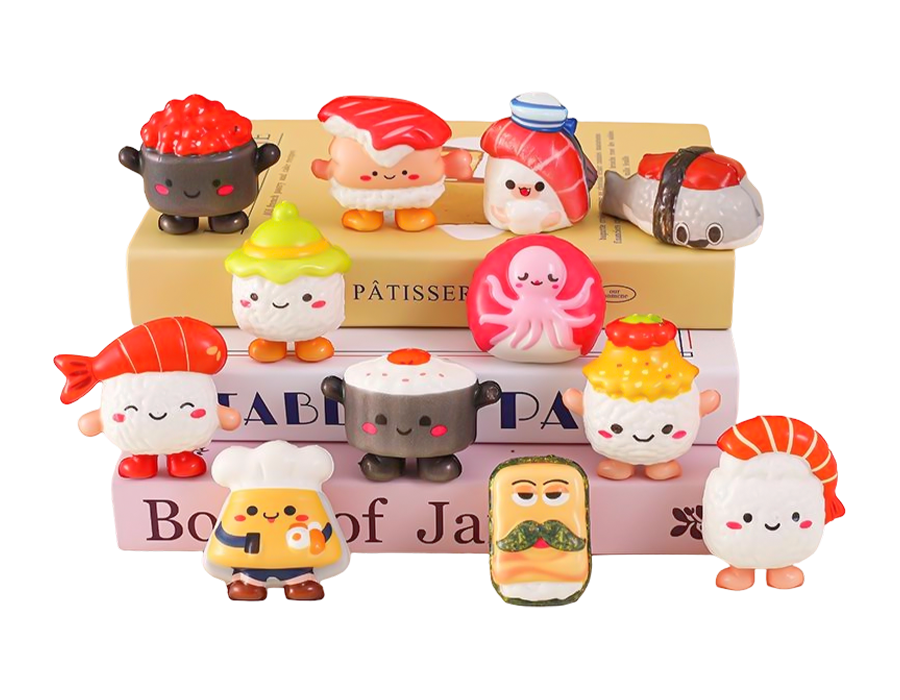
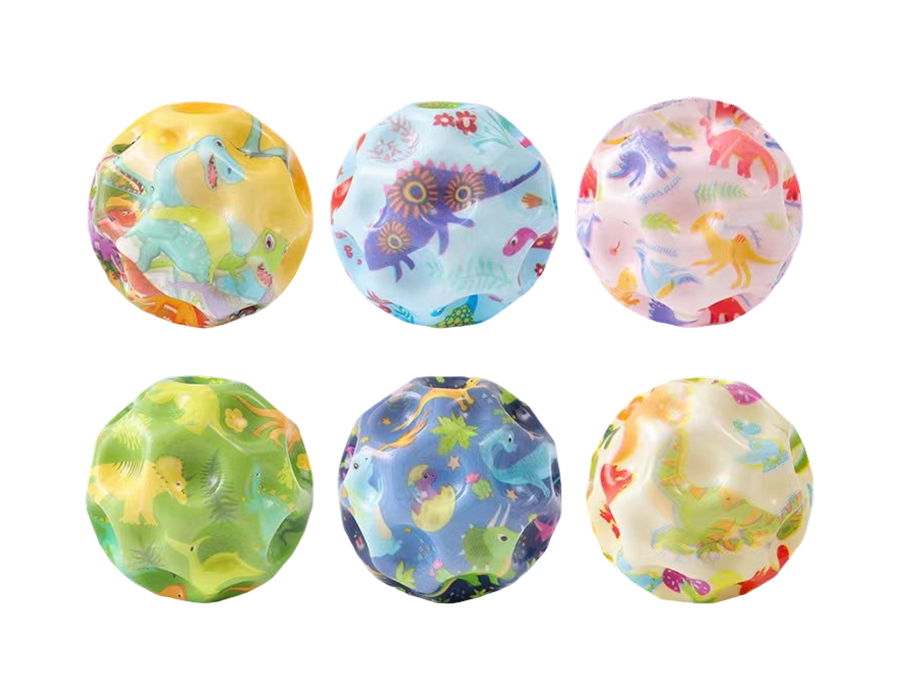


Cheap Squeeze Toys occupy a practical segment of the soft-toy market where product cost is closely connected to design decisions. A lower retail or wh...
READ MORENews

CE Certified Squeeze Pen Blends Toys With Stationery
 2026.09.18
 Industry News
A CE Certified Squeeze Pen sits between two familiar product categories: a functional writing instrument and a tactile squeeze toy. This combination changes how the product is designed because the soft exterior is not only decorative but also part of the user interaction, while the internal pen mechanism still needs to perform as a stationery product. For B2B product development, this crossover creates a different set of considerations involving structure, materials, appearance, and market compliance.
Combining Two Functions in One Structure
Traditional pens are primarily designed around writing performance, with the barrel providing support for the refill and comfortable handling. A squeeze pen adds a soft outer component that can be pressed, compressed, or manipulated during use.
For a CE Certified Squeeze Pen, these two functions need to coexist without making the writing mechanism difficult to operate. The soft toy section can be shaped as an animal, food item, character, or other novelty form, while the refill and grip area remain positioned for practical writing. This makes the internal structure just as relevant as the external appearance during product development.
Soft Components Change the Design Process
The tactile section can be produced with different levels of softness and rebound depending on the intended user experience. A softer material creates a more compressible feel, while a firmer formulation can provide greater resistance during squeezing.

Shape also affects the experience. A compact rounded form may be easier to squeeze repeatedly, while a detailed character design may prioritize visual recognition. For CE Certified Squeeze Pen development, designers therefore need to consider where the soft material is placed, how it connects with the pen body, and whether repeated handling affects the overall structure.
Toy And Stationery Requirements Meet
The crossover between toys and stationery also makes compliance an important part of product planning. CE marking is associated with applicable European Union product legislation, while the EN 71 series provides safety requirements for toys. The specific requirements depend on how a product is classified, its intended use, and the market in which it is sold.
EN 71-1 covers mechanical and physical properties of toys, including areas such as small parts, accessibility, and mechanical hazards. The standard was updated in 2026, making current regulatory review particularly relevant for manufacturers developing products intended for European markets. A CE Certified Squeeze Pen should therefore be developed with its intended age group, construction, materials, and applicable testing requirements considered from an early stage rather than treated as a final packaging issue.
Appearance Still Drives Product Differentiation
Although compliance and structure are important, the crossover concept also depends heavily on visual design. A pen with a soft animal head, miniature food shape, or character element can create a stronger novelty impression than a conventional writing instrument.
For B2B buyers, customization can extend across colors, character shapes, printed details, pen components, and packaging. However, adding decorative elements can also introduce additional structural or testing considerations. Keeping the product concept coordinated from the beginning can make it easier to balance appearance with practical function.
A Broader Product Category Emerges
The development of CE Certified Squeeze Pen products reflects a wider movement toward hybrid consumer goods that combine everyday functions with tactile or novelty features. The product is no longer simply a pen with decoration attached; its appeal comes from integrating writing, handling, and sensory interaction into one compact format.
For manufacturers and product developers, this means successful development depends on coordinating several disciplines at once. Writing performance, squeeze characteristics, structural connections, visual design, material selection, and applicable European safety requirements all influence the final product. As stationery and stress-relief products continue to overlap, this type of functional-tactile design provides another route for creating differentiated product concepts without relying solely on conventional pen shapes.
News
-
-
Product Features Behind Modern Sensory Toy Development The toy market continues to expand toward products that combine visual creativity with interact...
READ MORE -
Manufacturing Steps Behind Creative Functional Toy Pens Creative stationery products require a combination of practical functions, attractive design, ...
READ MORE -
PU Toys are becoming increasingly diverse as manufacturers use the material’s adjustable physical properties to develop different shapes, textures, an...
READ MORE


Stay In Touch
No. 1558, Guangshun South Street, Xiaoshun Town, Jinyi New District, ZhejiangProvince, China
+86-18170152778
Copyright © Jinhua Donghong Arts & Crafts Co., Ltd.
