

 English
 русский
 Français
 Español
 Deutsch
 عربى
عربى
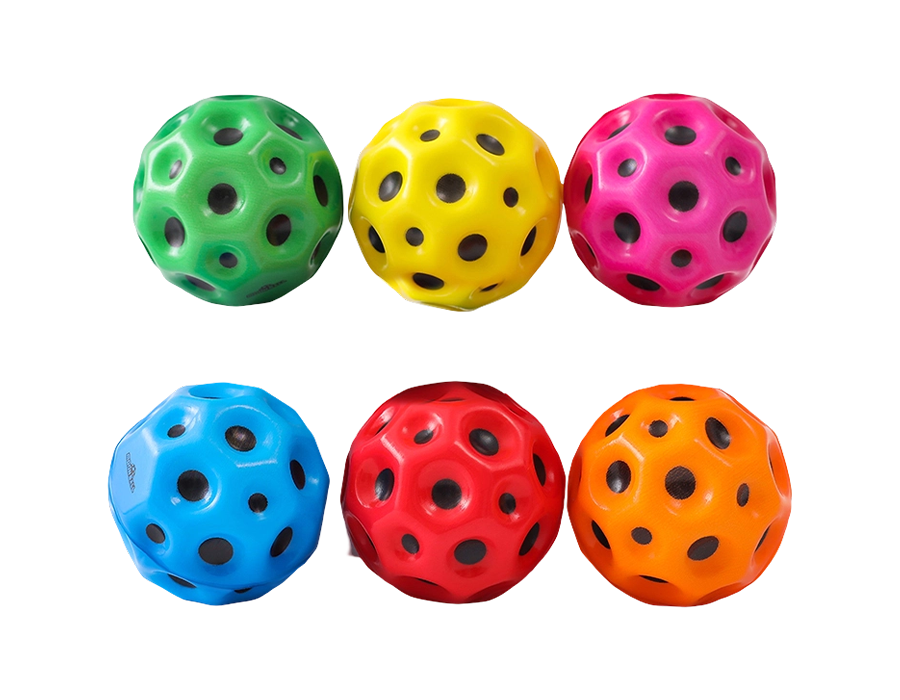
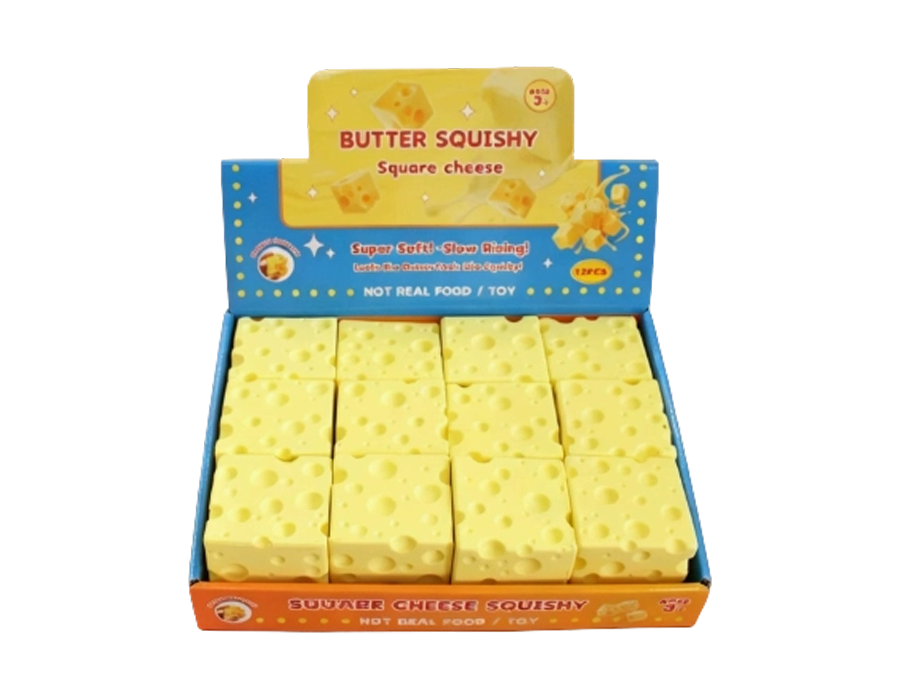
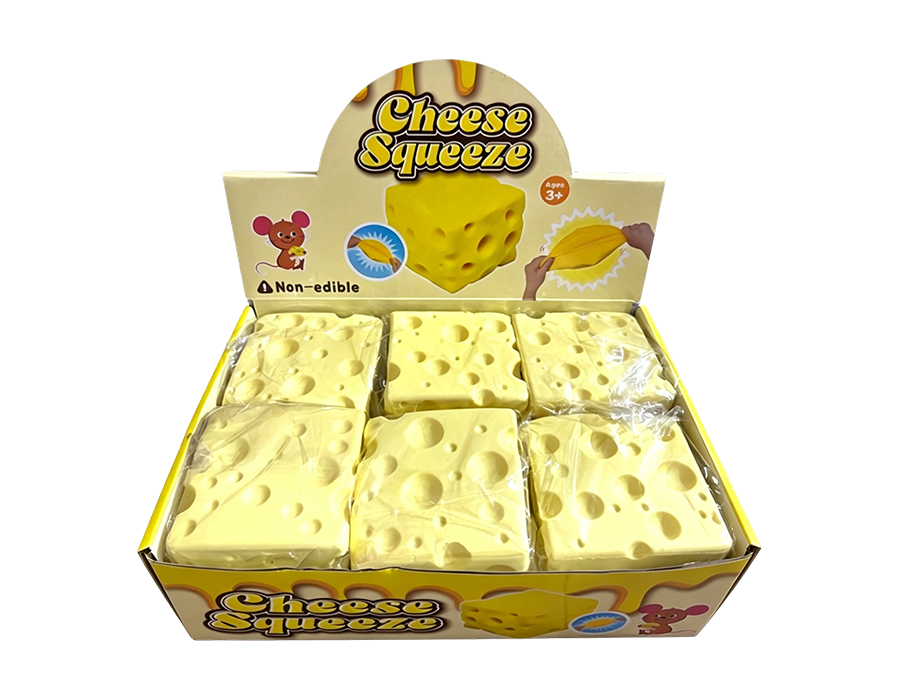
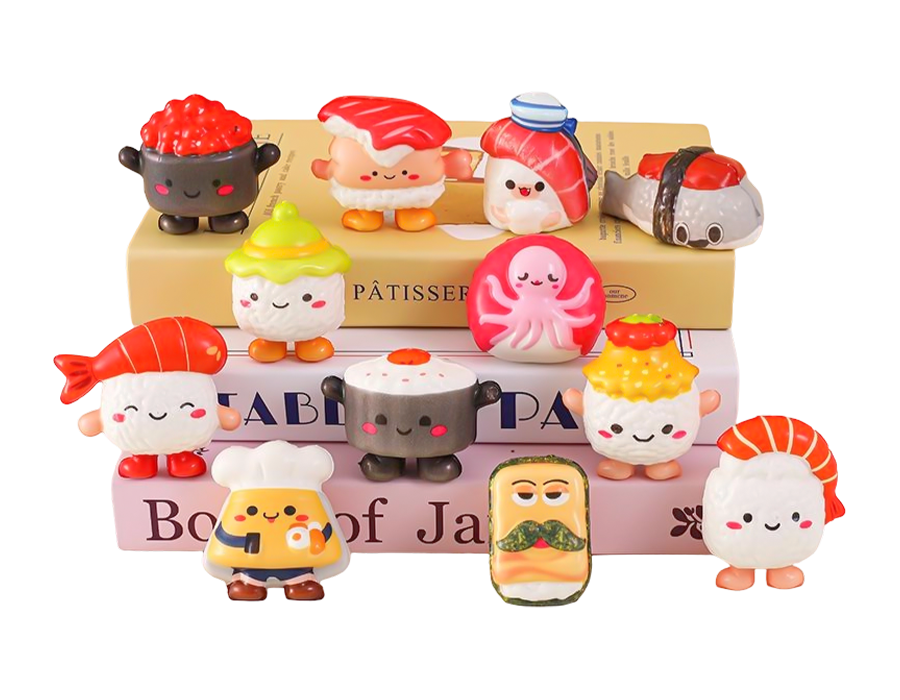
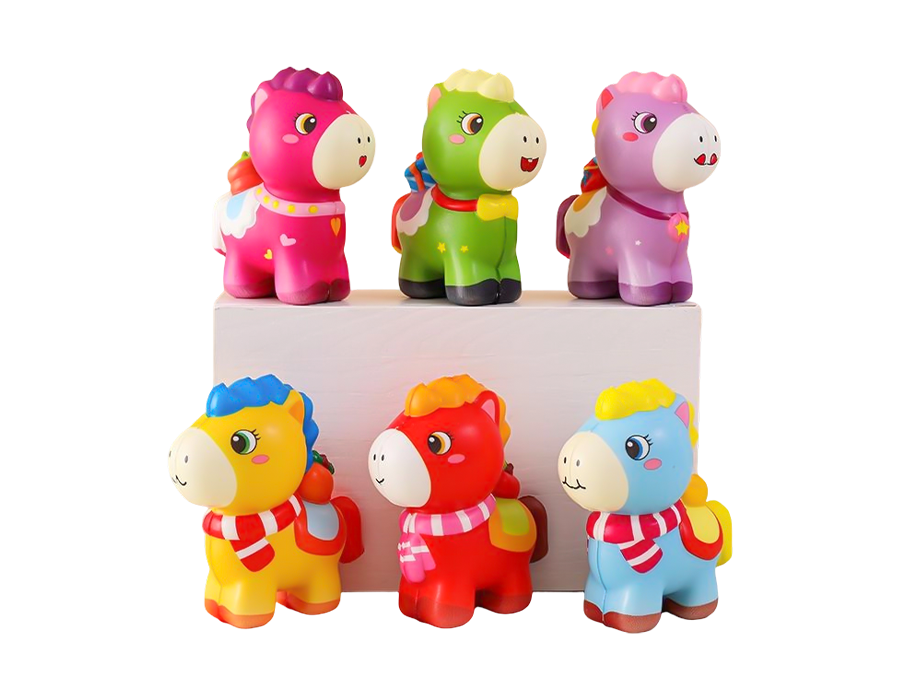
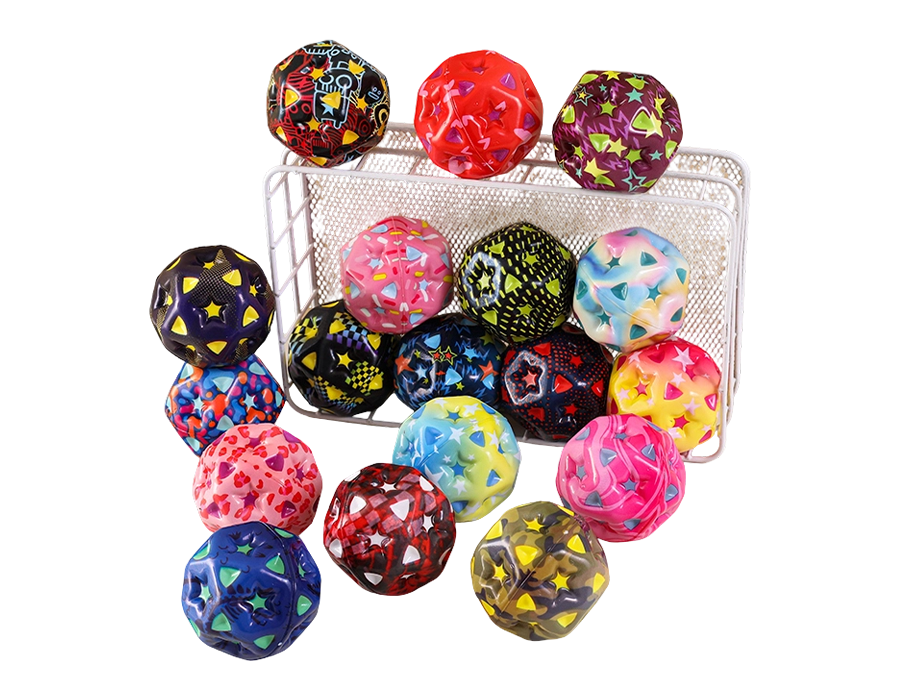
A PU Squeeze Rebound Toy Ball combines two physical experiences that are often developed separately: compression and rebound. When the ball is squeeze...
READ MORENews

PU Toys Expand as Material Properties Shape New Product Forms
 2026.09.04
 Industry News
PU Toys are becoming increasingly diverse as manufacturers use the material’s adjustable physical properties to develop different shapes, textures, and tactile responses. Rather than treating PU simply as a soft material, product development increasingly considers density, formulation, rebound speed, surface feel, and mold design together. This approach allows one basic material category to support products ranging from slow-rising stress toys to squeeze figures, novelty shapes, and other soft-play formats.
Material Properties Influence the Playing Experience
The main development value of PU lies in its ability to produce different tactile characteristics through changes in material formulation and density. A softer foam can create a more compressible hand feel, while a denser structure can provide greater resistance when squeezed. Rebound behavior can also vary, giving manufacturers room to develop products with either a slower recovery or a more elastic response.
For PU Toys, these differences are not merely technical specifications. They directly affect how a product feels in the hand and how users interact with it. A stress-relief product may require a soft, slow recovery, while a ball-shaped toy may need a more noticeable rebound. Material selection therefore becomes closely connected to the intended product function.
Shape Development Depends on Mold Design
The flexibility of PU also supports a broad range of product shapes. Manufacturers can create food-inspired designs, animals, characters, geometric forms, and customized promotional shapes by developing molds around the desired appearance and tactile structure.
Mold design becomes particularly important when the product contains narrow sections, deep details, or uneven wall thickness. These features can influence how the foam fills the mold and how the finished product compresses. For PU Toys, visual design and physical performance therefore need to be considered together rather than developed independently.
Density Creates Different Product Categories
One of the reasons PU products can cover such a wide range of applications is that density can be adjusted according to the desired experience. Two toys with similar external dimensions may feel completely different when their internal material characteristics are changed.
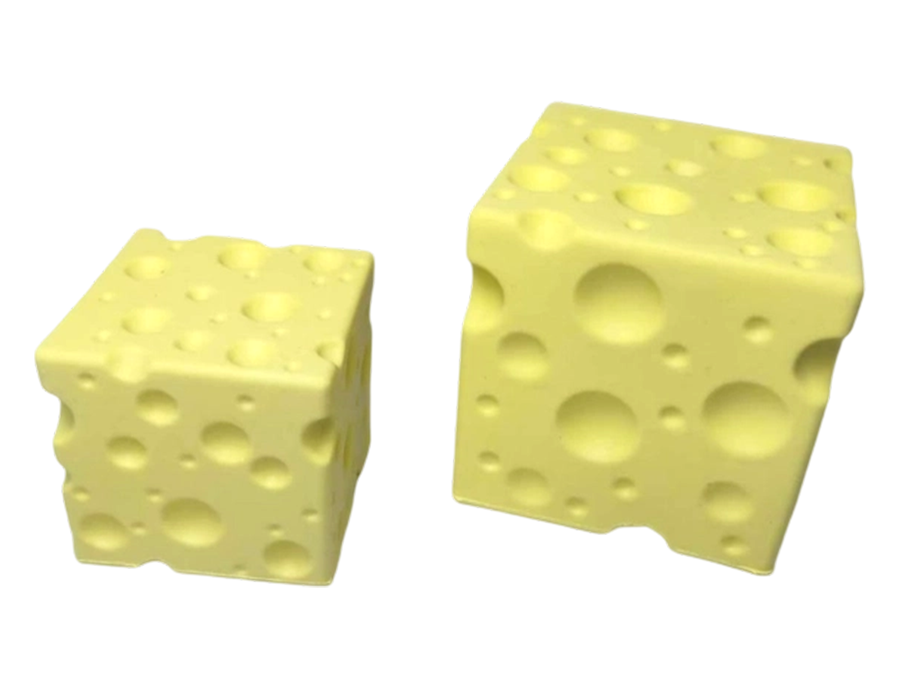
This gives product developers greater flexibility when creating product families. A single concept can potentially be developed in several tactile versions, such as softer slow-rising models or firmer squeeze products. For buyers developing private-label or customized collections, this approach can also make it easier to create variations without completely changing the overall product concept.
Customization Moves Beyond Appearance
Customization in PU Toys is no longer limited to colors, printed graphics, or packaging. The physical characteristics of the product can also become part of the customization process. Buyers may specify the desired softness, rebound behavior, shape, size, surface finish, or combination of these elements according to the intended application.
This requires closer coordination between product design and manufacturing. A highly detailed shape, for example, may require different mold considerations from a simple rounded toy. Likewise, changing density or softness can affect the final tactile result even when the external design remains unchanged.
Product Development Becomes More Material-Driven
The growing variety of soft toys shows how material characteristics can influence product design from the beginning. Instead of selecting a shape first and treating the material as a production detail, developers can start with the intended tactile experience and then determine the appropriate PU formulation, density, structure, and mold.
For PU Toys, this material-driven approach creates more possibilities for differentiated products while keeping the underlying manufacturing process adaptable. It also gives B2B buyers more variables to consider when developing customized collections, especially when the target market values both visual novelty and a distinctive tactile experience.
As soft-toy designs continue to diversify, PU remains useful not simply because it is soft, but because its material behavior can be adjusted to support different product concepts. The combination of formulation, density, mold engineering, and surface design is likely to remain an important part of how new PU-based toy formats are developed.
News
-
-
Manufacturing Steps Behind Creative Functional Toy Pens Creative stationery products require a combination of practical functions, attractive design, ...
READ MORE -
Cheap Squeeze Toys occupy a practical segment of the soft-toy market where product cost is closely connected to design decisions. A lower retail or wh...
READ MORE -
Squeeze two foam toys that look nearly identical and one springs back in under a second while the other takes several seconds to recover. That gap rar...
READ MORE


Stay In Touch
No. 1558, Guangshun South Street, Xiaoshun Town, Jinyi New District, ZhejiangProvince, China
+86-18170152778
Copyright © Jinhua Donghong Arts & Crafts Co., Ltd.
