

 English
 русский
 Français
 Español
 Deutsch
 عربى

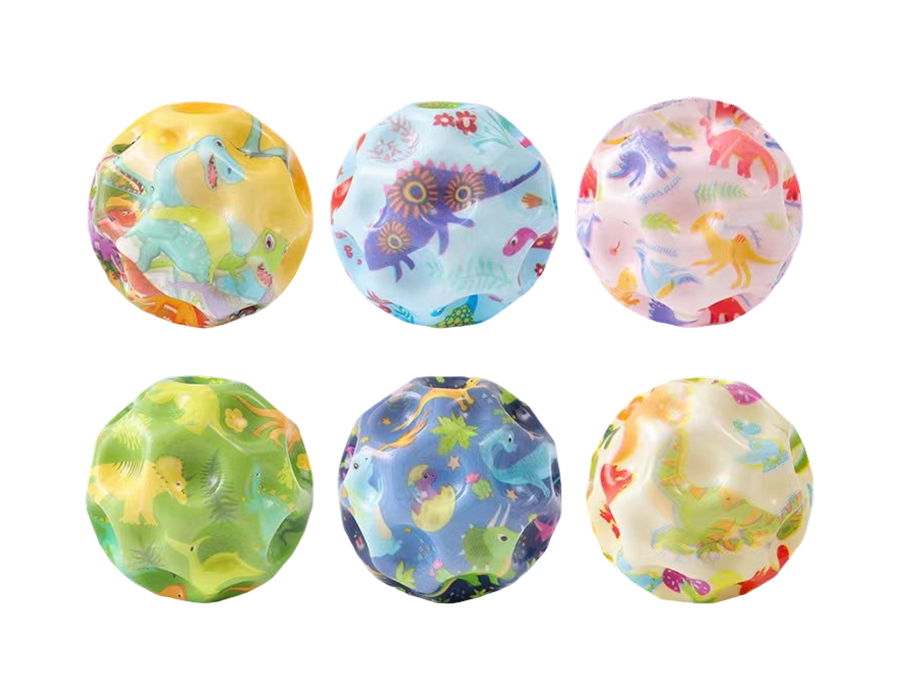
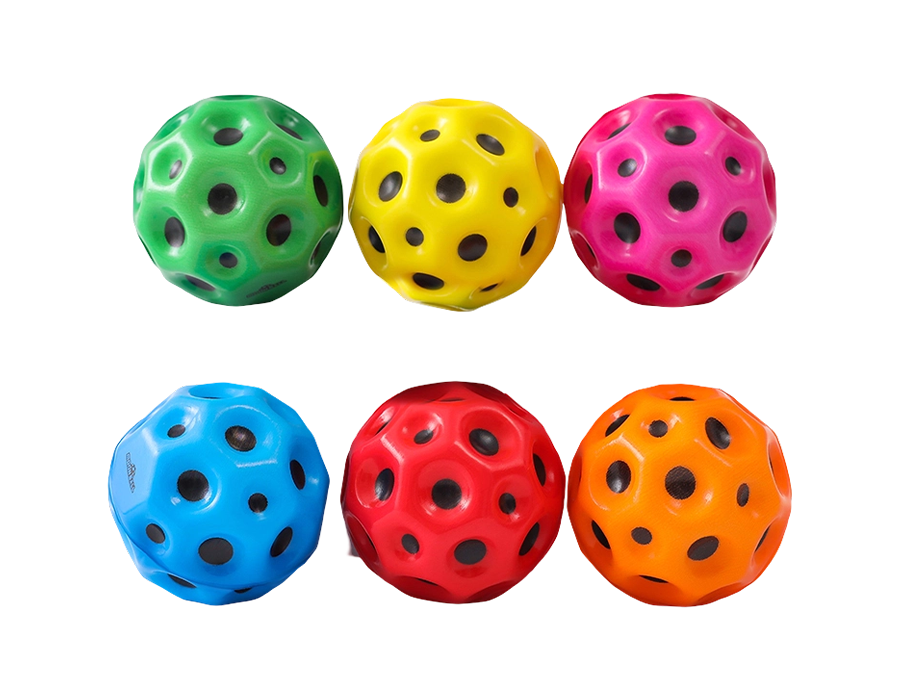
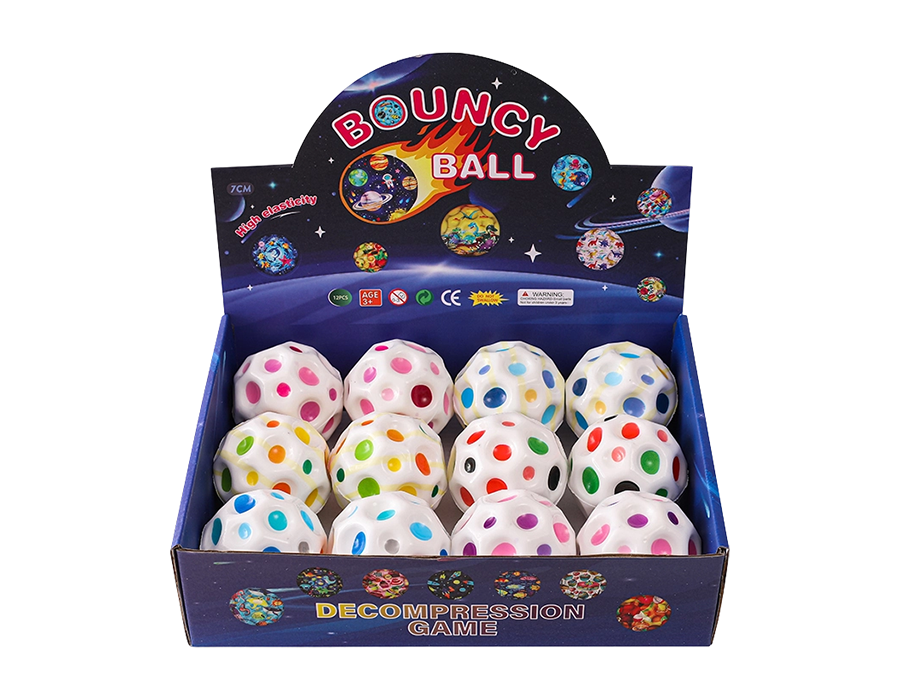
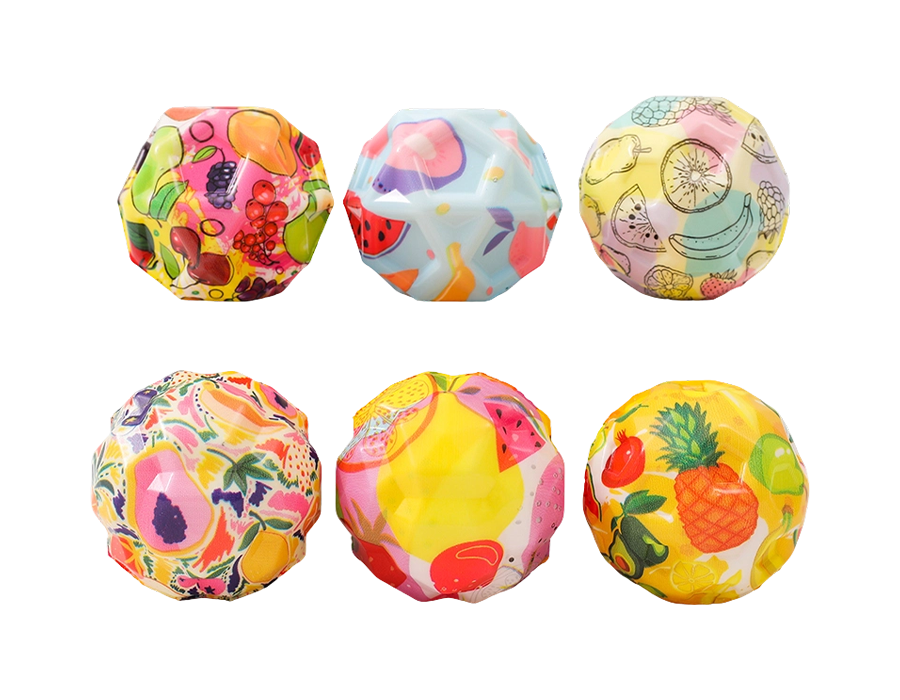
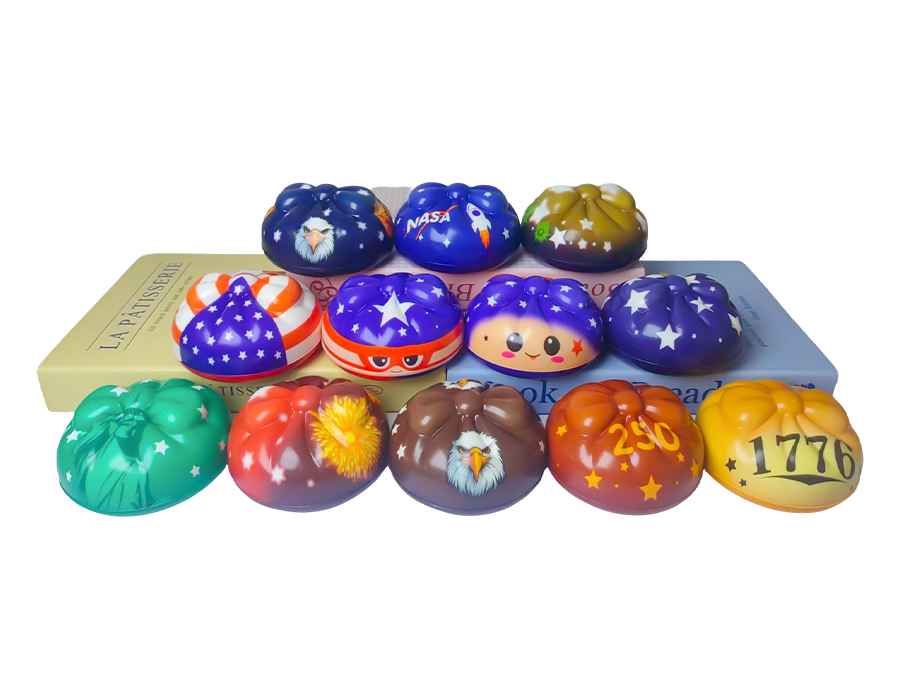
Squeeze two foam toys that look nearly identical and one springs back in under a second while the other takes several seconds to recover. That gap rar...
READ MORENews

PU Squeeze Rebound Toy Ball Targets Controlled Elasticity
 2026.09.25
 Industry News
A PU Squeeze Rebound Toy Ball combines two physical experiences that are often developed separately: compression and rebound. When the ball is squeezed, its internal material structure deforms and then returns toward its original shape. The speed and strength of that recovery can be adjusted through material formulation, density, geometry, and overall product dimensions, making rebound performance an important variable during product development.
Rebound Starts With Material Formulation
PU foam does not produce one fixed tactile response. Changes in formulation and density can influence how easily the material compresses and how quickly it recovers after pressure is released. A softer structure may emphasize a slow, gentle recovery, while a more elastic formulation can create a quicker response.
For a PU Squeeze Rebound Toy Ball, this distinction affects how the product behaves during repeated squeezing or throwing. Developers therefore need to define the intended rebound characteristics before selecting the material configuration. The target is not simply “soft” or “hard,” but a balance between compressibility and recovery that matches the intended use.
Density Changes Both Feel and Response
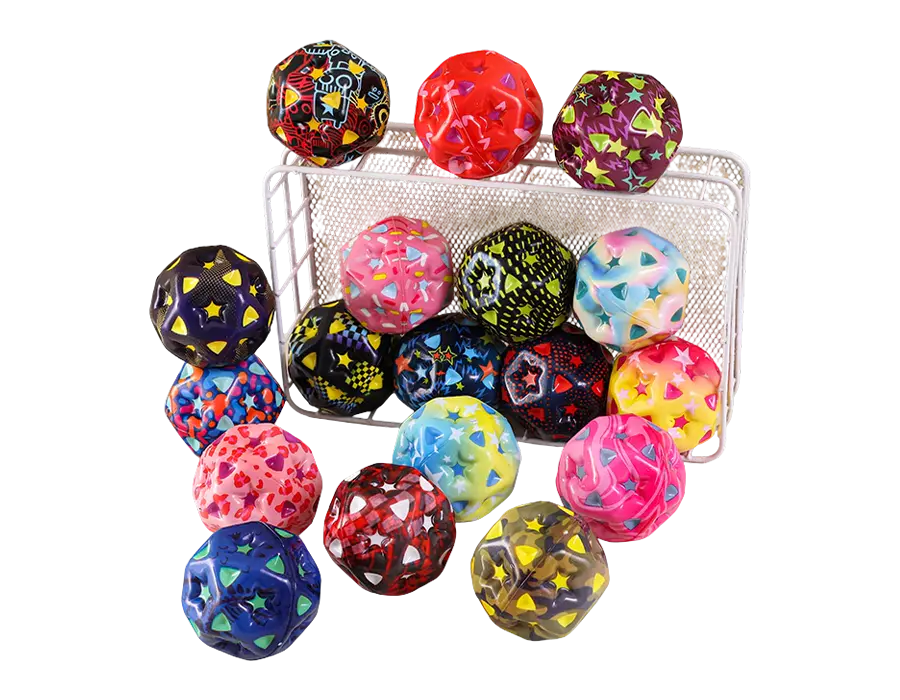
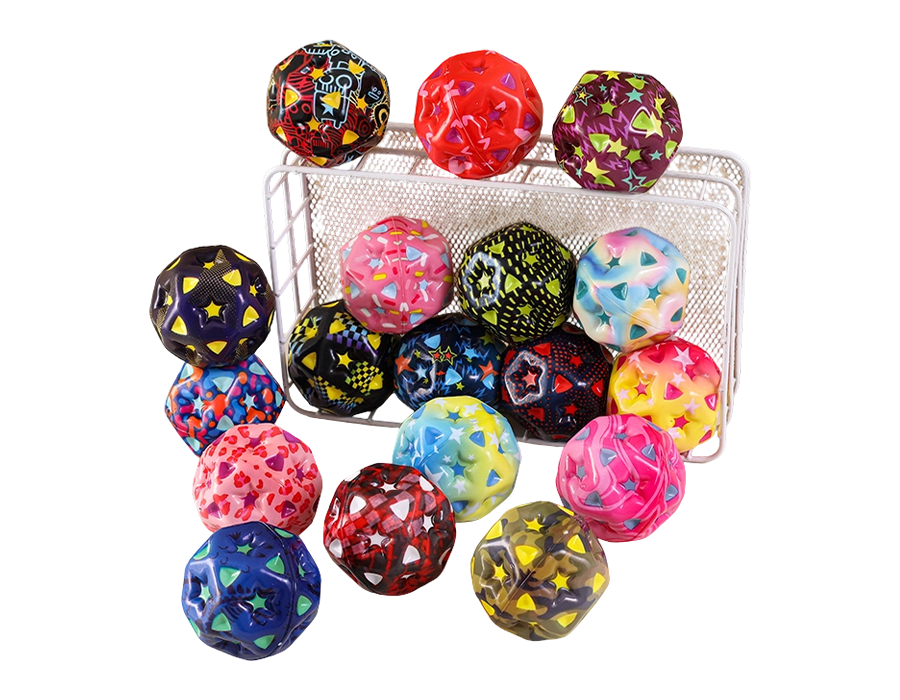
Density is another important variable because it affects the resistance experienced when the ball is compressed. Two balls with similar external dimensions can feel noticeably different if their internal material density changes.
A lower-density structure may provide a softer hand feel, while a denser structure can require greater squeezing force and may produce a different rebound response. For B2B product development, controlling density can therefore help create several versions of a PU Squeeze Rebound Toy Ball without completely changing the basic product concept.
Shape Can Influence Rebound Behavior
The external geometry also contributes to the way a squeeze ball responds. A conventional spherical structure distributes deformation relatively evenly, while irregular shapes can create different compression patterns across the product.
Size matters as well. A larger ball may provide a different grip and deformation distance from a small one made with a similar material formulation. Surface details, molded patterns, and additional features can further affect how pressure is distributed through the foam.
This makes mold development more than an appearance-related process. For PU Squeeze Rebound Toy Ball production, the mold determines important aspects of the final geometry, which in turn can influence both tactile response and rebound behavior.
Different Rebound Speeds Serve Different Uses
Not every squeeze ball needs the same recovery speed. Some products are designed primarily for hand squeezing and tactile interaction, where gradual recovery can be part of the experience. Others may be developed for tossing, catching, or simple hand-eye coordination activities, where a quicker elastic response can be more suitable.
This distinction allows manufacturers to develop different product categories from similar PU materials. Buyers can evaluate rebound speed together with size, softness, shape, and intended age group instead of treating “rebound” as a single fixed specification.
Product Development Balances Several Variables
Developing a PU Squeeze Rebound Toy Ball requires coordination between material selection and physical design. Increasing softness does not automatically produce the desired rebound, and changing the shape can alter how the material deforms. The final tactile response comes from the interaction between formulation, density, geometry, and manufacturing consistency.
For customized product programs, these variables also provide room for differentiation. Color, surface treatment, printed graphics, dimensions, and molded shapes can be developed around a chosen tactile specification. This approach allows the product concept to be defined by both how it looks and how it behaves when squeezed, released, or thrown.
Rebound performance is therefore not simply a finishing characteristic of a squeeze ball. It can be treated as a core product-development parameter alongside shape, material, and size. For PU Squeeze Rebound Toy Ball designs, understanding this relationship gives manufacturers and B2B buyers more control over the final user experience while keeping the product concept adaptable for different applications.
News
-
-
PU Toys are becoming increasingly diverse as manufacturers use the material’s adjustable physical properties to develop different shapes, textures, an...
READ MORE -
Cheap Squeeze Toys occupy a practical segment of the soft-toy market where product cost is closely connected to design decisions. A lower retail or wh...
READ MORE -
A CE Certified Squeeze Pen sits between two familiar product categories: a functional writing instrument and a tactile squeeze toy. This combination c...
READ MORE


Stay In Touch
No. 1558, Guangshun South Street, Xiaoshun Town, Jinyi New District, ZhejiangProvince, China
+86-18170152778
Copyright © Jinhua Donghong Arts & Crafts Co., Ltd.
