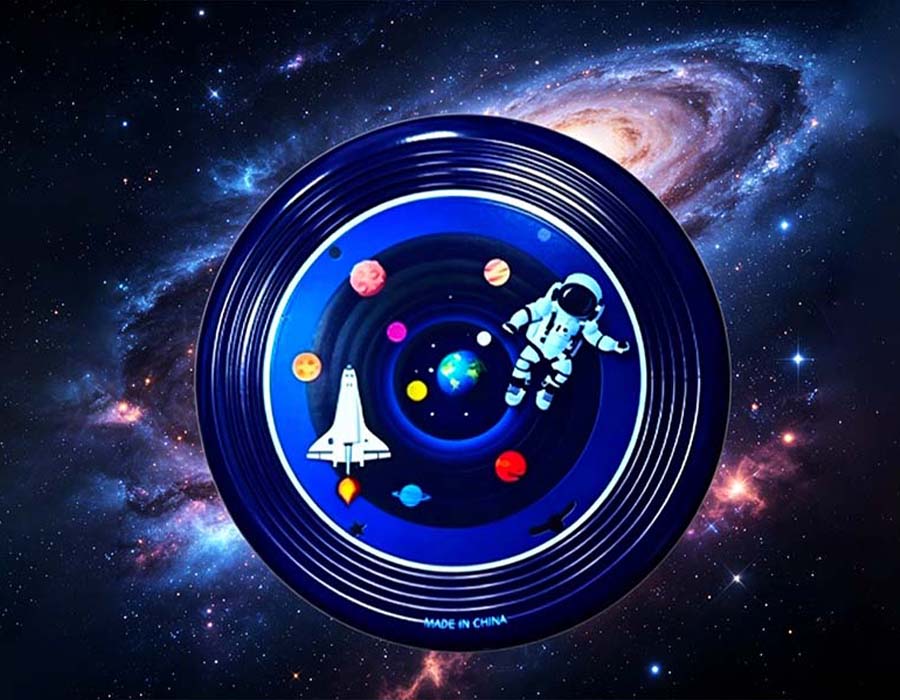
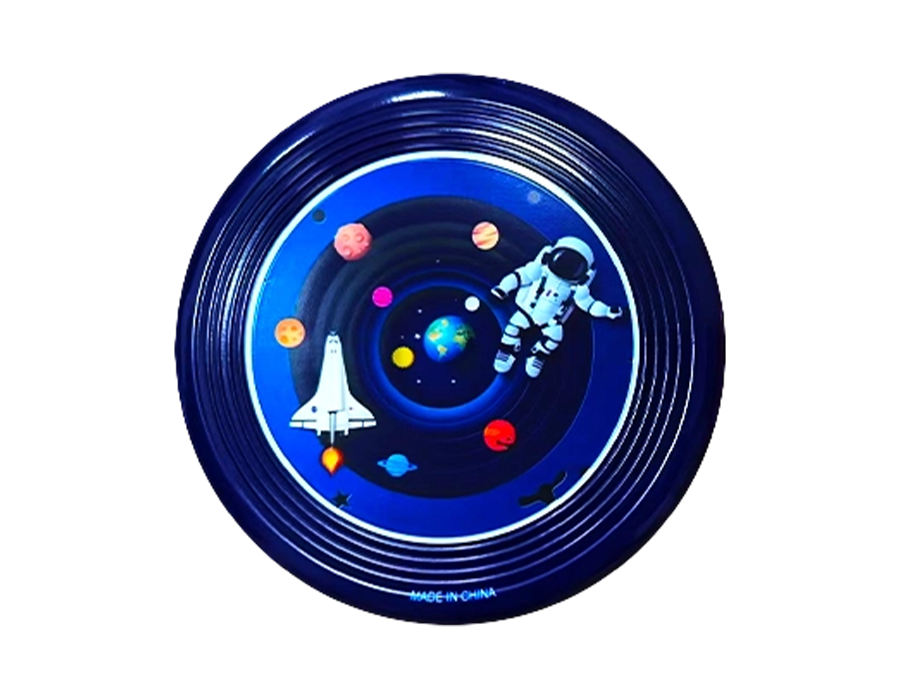
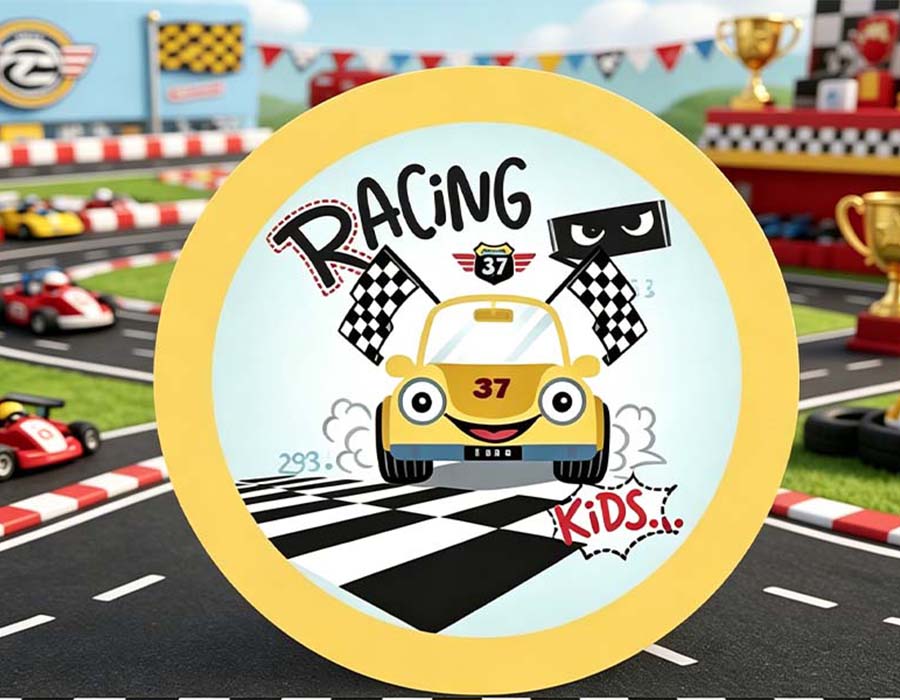
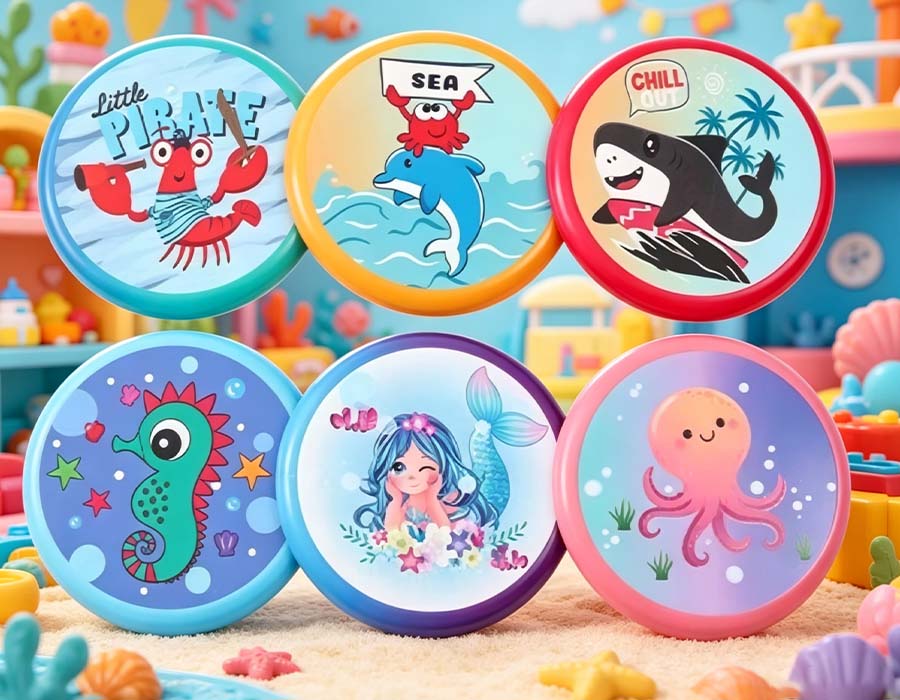
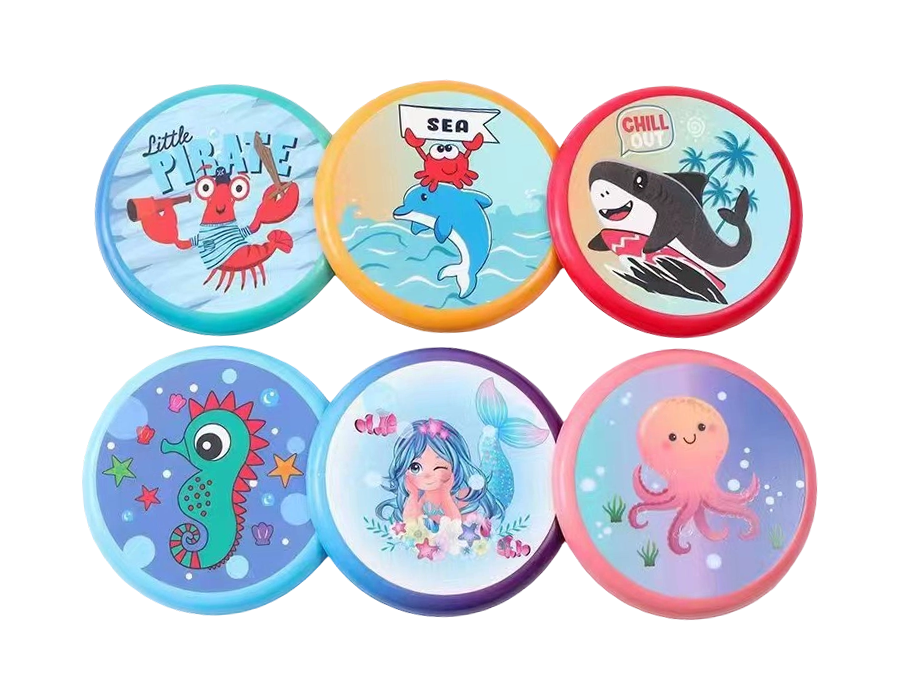
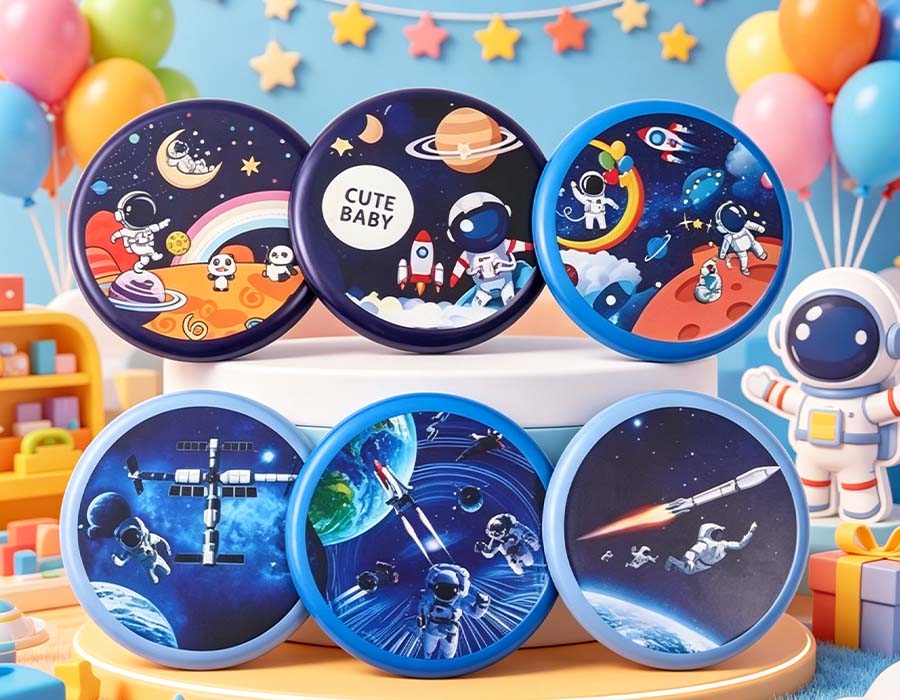
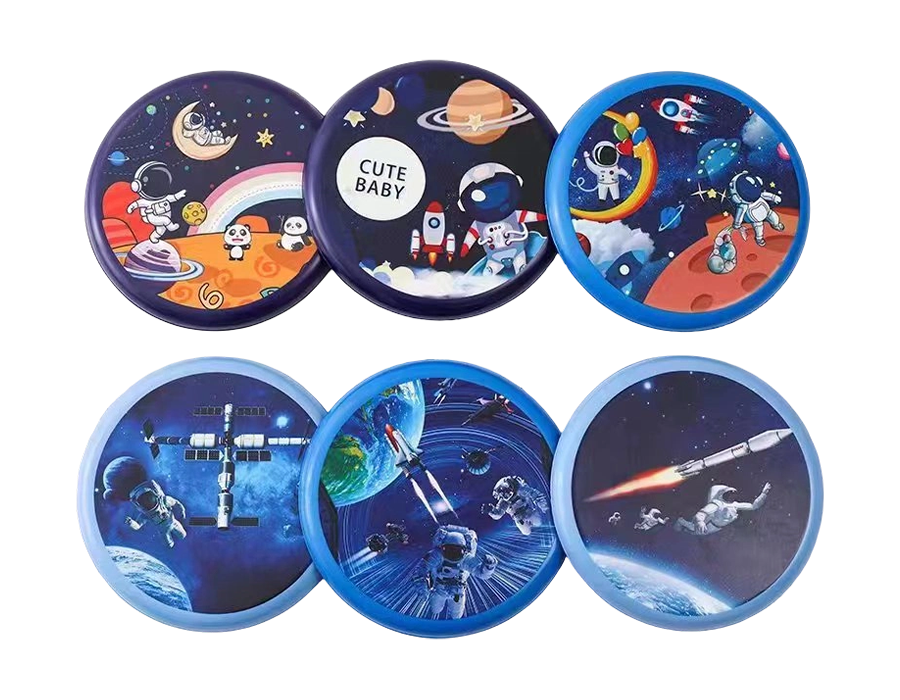
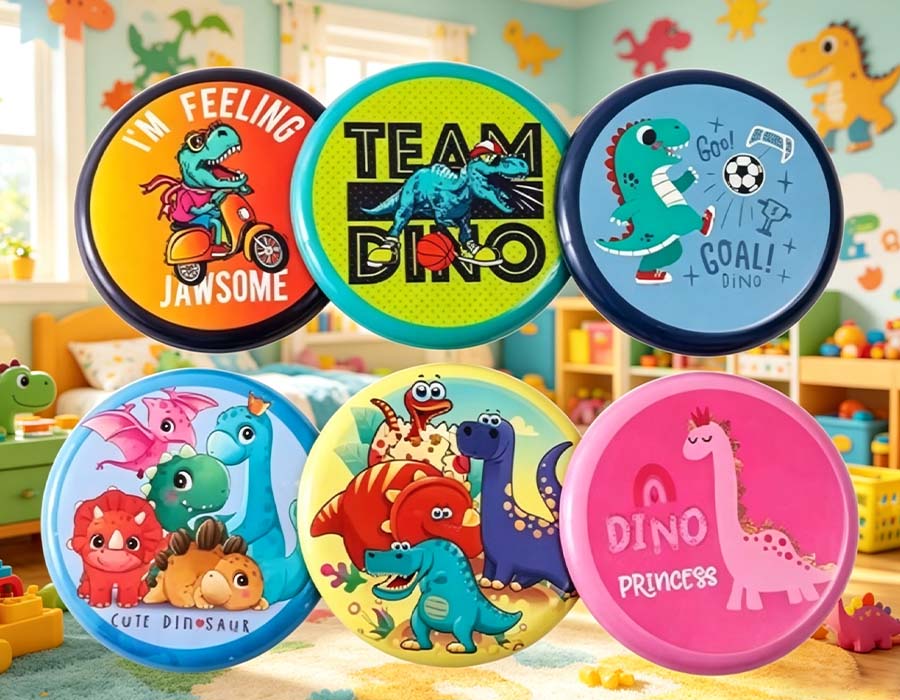
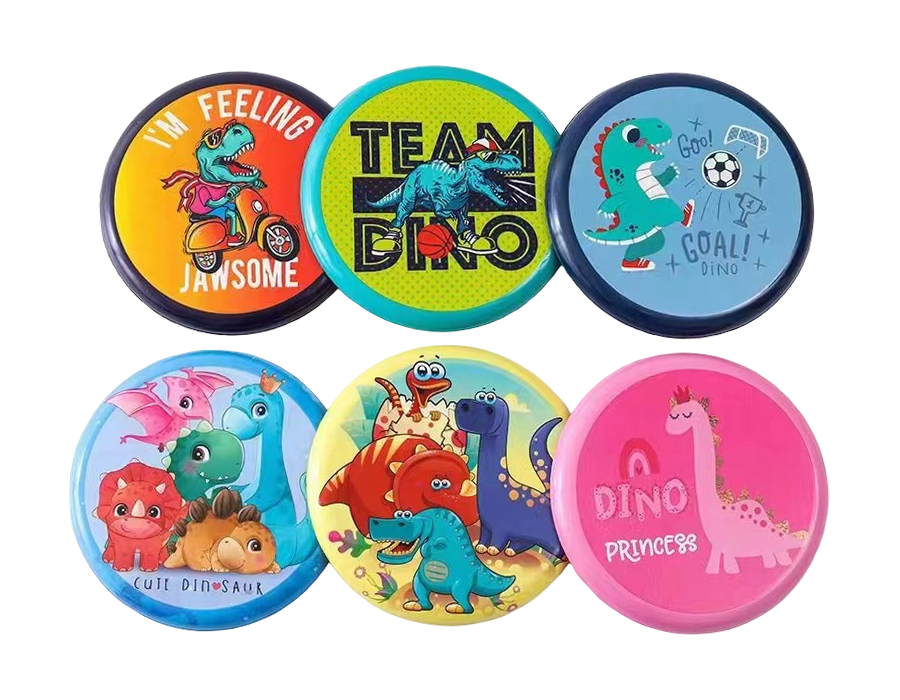
A flying disc is a piece of outdoor sports equipment or a toy designed to fly over long distances when thrown by hand, utilizing its disc-like structure to generate lift and rotational stability. The category encompasses a wide range of products—from competitive sports discs to safety-focused models for children, interactive toys for pets, and promotional gifts. Specific differences lie primarily in material, diameter, weight, and edge design:
Material Selection: Common materials include rigid high-density polyethylene (HDPE, often used for competitive sports discs); soft TPR/TPU rubber (common in children's and recreational models, featuring softer edges); and EVA foam (used for ultra-lightweight, low-risk models for children or parent-child play). Material choice directly impacts flight distance, stability, durability, and safety.
Diameter and Weight: Competitive discs usually adhere to standardized diameter and weight ranges (such as the common Super Disc sports model). Recreational and children's models offer more flexibility, allowing size and weight to be adjusted to match the user's throwing strength.
Edge Design: The rigidity of the disc's edge is crucial for safety. Competitive discs feature firmer edges to ensure flight stability, whereas children's and pet-interactive models typically feature softened edges to minimize the risk of injury from bumps or impacts.
Application Scenarios for Flying Discs
- Retail of Outdoor Toys for Children
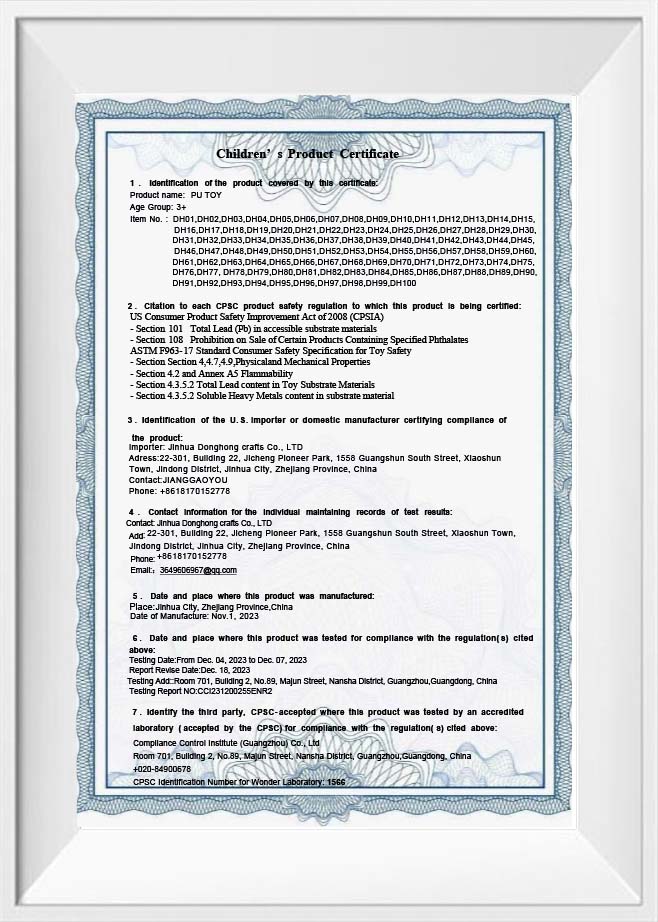
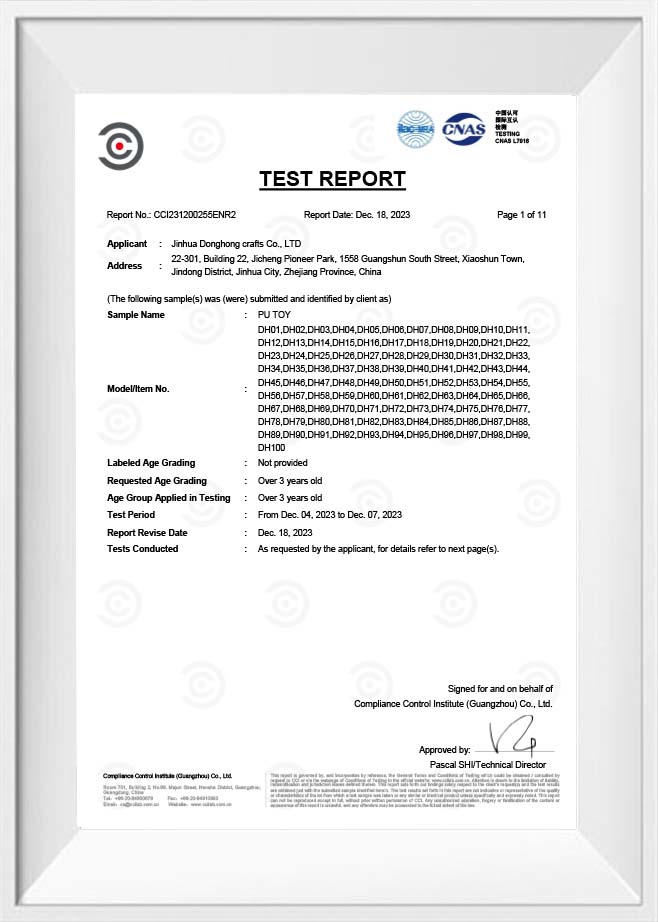
Typical buyers include toy wholesalers, maternity and baby stores, and distributors of children's outdoor gear. Child-friendly outdoor flying discs are a key product focus for these channels; procurement decisions prioritize material safety (e.g., absence of odors, quality of edge finishing) and compliance with safety certification requirements for children's toys in the target market.
- School and Youth Sports Equipment
Typical buyers include school sports equipment procurement officers, youth physical training centers, and summer camp organizers. As an introductory tool for group outdoor activities (such as recreational flying disc games or introductory Ultimate Frisbee), child-friendly discs are ideal for physical education classes or group activities for school-aged children due to their enhanced safety features.
Typical buyers include pet product distributors and purchasing agents for pet stores. Soft flying discs are frequently used as interactive fetch toys for dogs; however, it is crucial to select materials and structures specifically designed to withstand a pet's bite. Simply sourcing children's or competitive-grade discs as pet toys is not recommended; instead, one should verify material safety and suitability with the supplier.
- Retail for beach and park leisure sports
Typical buyers include outdoor gear distributors, sporting goods retail chains, and e-commerce sellers. As seasonal products for summer outdoor sports, leisure flying discs enjoy steady retail demand within the beach and park recreation categories, with procurement typically following a seasonal pattern.
Why source this product category?
- Broad application scope allows for product selection tailored to different demographics
From competitive sports, school instruction, and safety-focused children's models to promotional gifts and interactive pet toys, the flying disc category caters to a wide range of end-users and procurement objectives. Buyers can match specific product lines to channel requirements within a single supply chain system.
- Child-friendly designs alleviate safety concerns and expand the target audience
Compared to traditional rigid competitive discs, child-friendly outdoor flying discs feature modified materials and edge designs that reduce the risk of injury from impact during use by young children. This makes them more readily adopted in safety-sensitive settings such as schools and family-oriented activities.
- Clear seasonal demand facilitates procurement planning for channel partners
As a quintessential summer outdoor sports category, flying discs exhibit distinct seasonal demand patterns. Channel partners can plan inventory stocking and customization schedules in advance based on historical sales and promotional activity cycles.
- Flexible material and manufacturing choices allow for balancing cost and safety performance
Ranging from EVA foam and soft TPR rubber to rigid HDPE competitive models, buyers can flexibly balance cost, safety, and flight performance based on budgets and end-use scenarios, without needing to switch suppliers for different product lines.
Frequently Asked Questions
Q1: Do child-friendly outdoor flying discs compromise on flight distance and stability compared to standard competitive discs?
A: Because they utilize softer materials and feature diameters and weights adjusted for children's usage habits, the design goals for the flight performance of child-friendly discs differ from those of competitive models; thus, the two are not directly comparable. If the purchaser has specific requirements regarding the flight distance or stability of the children's model, it is recommended to request actual test data from the supplier or arrange a test flight with the physical product before confirming a bulk order.
Q2: Does the material of the children's frisbee guarantee that no injuries from impact will occur?
A: While the core purpose of a child-friendly design is to reduce the risk of injury through softer materials and edge treatments, this does not equate to absolute safety. Actual safety depends on various factors, including the product's hardness, how the child uses it, and the environment in which it is used. It is recommended to review the material testing report provided by the supplier and assess the product based on the intended usage scenario.
Q3: Can the frisbee be used for interactive play with pets?
A: Although some soft frisbees are designed for interactive fetch games with dogs, you must verify whether the product is specifically engineered for pet use (e.g., utilizing pet-safe materials and undergoing bite-resistance testing) before purchasing. It is not advisable to procure children's or standard recreational models as pet toys; instead, you should confirm material safety and relevant suitability testing with the supplier.


 English
 русский
 Français
 Español
 Deutsch
 عربى
عربى