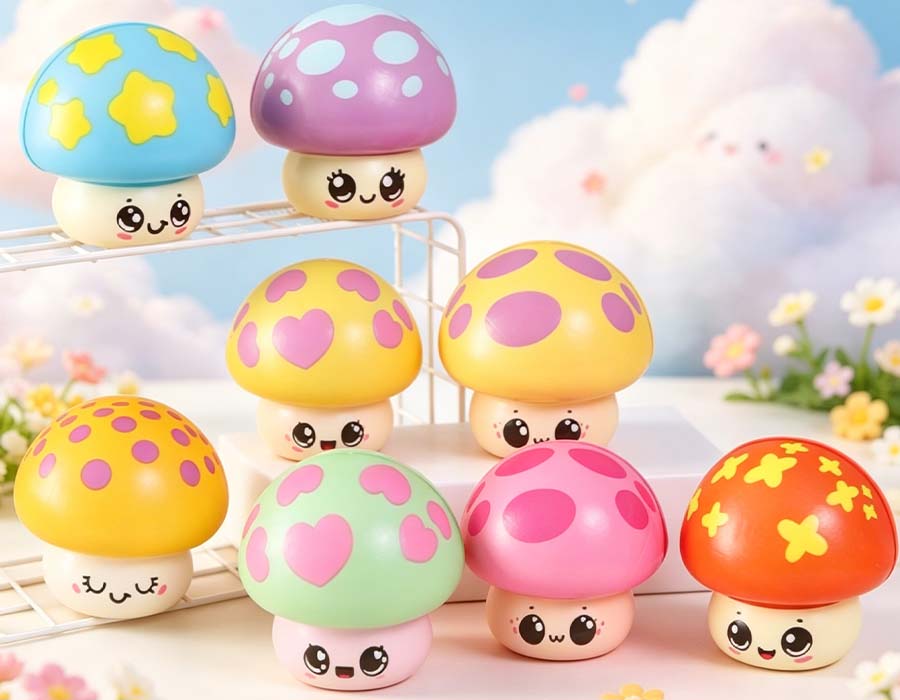
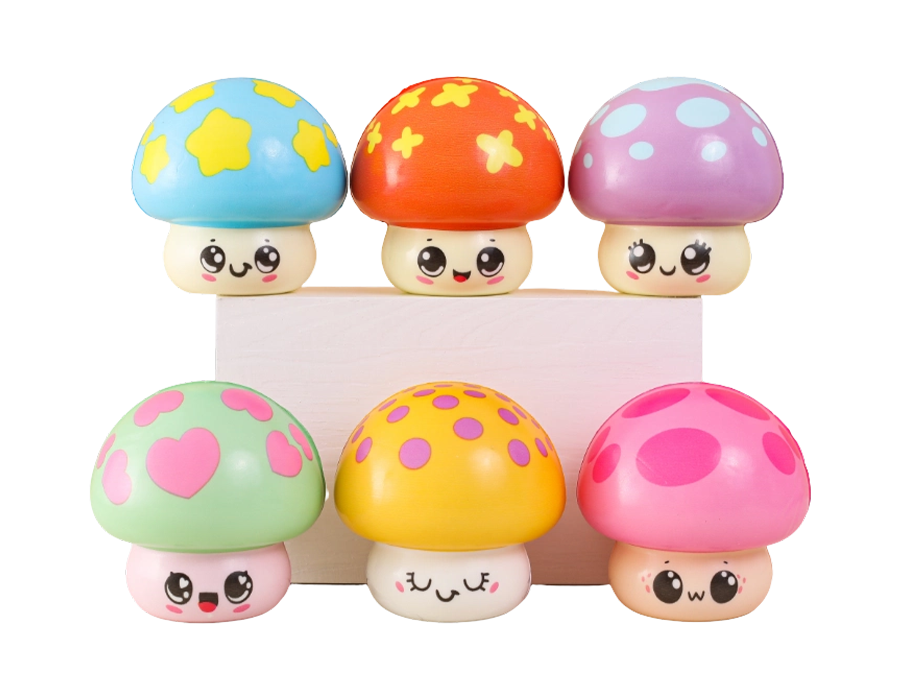
Steamed Bun Stress Toys represent a specific niche within the Food Squishy category; they are slow-rise, soft-foam stress-relief toys modeled after Chinese wheat-based foods such as baozi (filled steamed buns), mantou (plain steamed buns), and jiaozi (dumplings).
- 1. Soft Sensory Squeeze Toy
This is a general term for stress-relief toys that prioritize tactile sensation over strict visual realism. Thanks to their naturally round and plump shape, steamed bun designs are a common form factor in this category. They are frequently used in product lines emphasizing sensory, soothing, or stress-relief experiences, as well as in applications like sensory training for children or special education aids (please consult professional organizations regarding suitability for specific sensory training purposes based on actual product design).
A general term for squishy toys modeled after the crescent shape of a dumpling. The design offers great versatility, allowing for either realistic styles or anthropomorphic cartoon versions (such as a dumpling baby with a facial expression). They are well-suited as gifts themed around Chinese cuisine or as specific SKUs within a product series.
- 3. Dumpling Squishy Toy (Individual Item)
Also falling under the dumpling-shaped category, this term usually refers to a specific style or individual product development direction. Designs can be customized to buyer requirements, ranging from realistic filling details (such as pleated meat textures or steam-effect paintwork) to simplified cartoon styles.
Application Scenarios for Steamed Bun Stress Toys
- Promotional gifts for Chinese dining or noodle/pastry brands
Typical buyers include chain steamed-bun shops, flour-based food enterprises, and the marketing departments of restaurant groups. The steamed-bun shape directly mirrors their core products. Whether used as membership gifts, holiday promotional items, or social media engagement merchandise, these toys offer strong brand relevance and recognition; minimum order quantities depend on the scale of the event.
- Blind boxes, trendy toys, and Chinese-style cultural/creative merchandise
Typical buyers include trendy toy brands, cultural and creative companies, and IP licensors. Chinese-style flour-based food items—such as baozi (steamed buns), mantou (plain steamed buns), and jiaozi (dumplings)—have recently gained popularity in the "Guofeng" (traditional Chinese style) and "cute pet" categories of cultural and creative merchandise. These often require the development of a cohesive "pastry family" series, demanding high standards for sculptural details (such as the realistic replication of pleats and folds) and stylistic consistency across the product line.
- Children's toys and sensory training aids
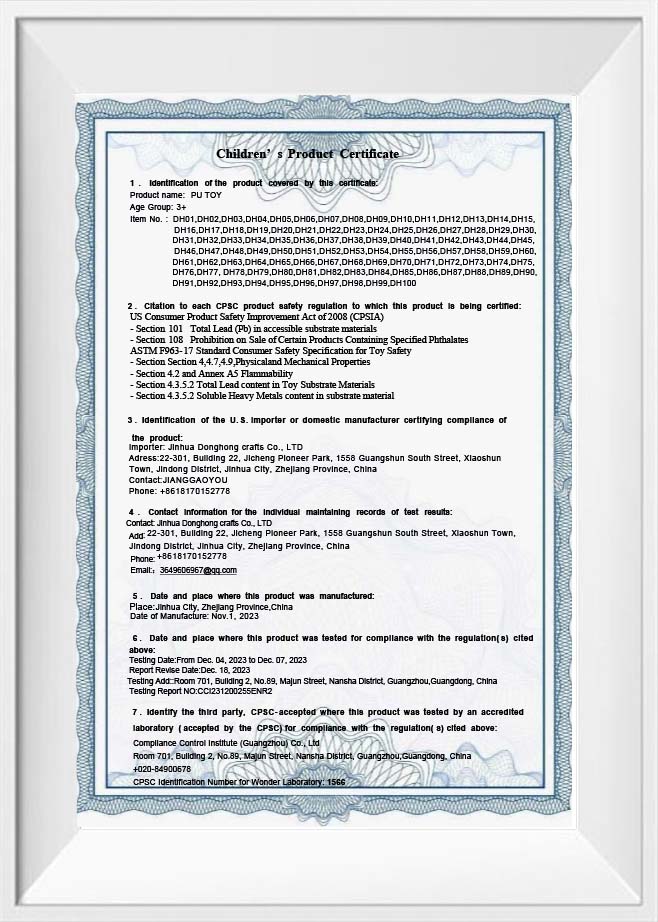
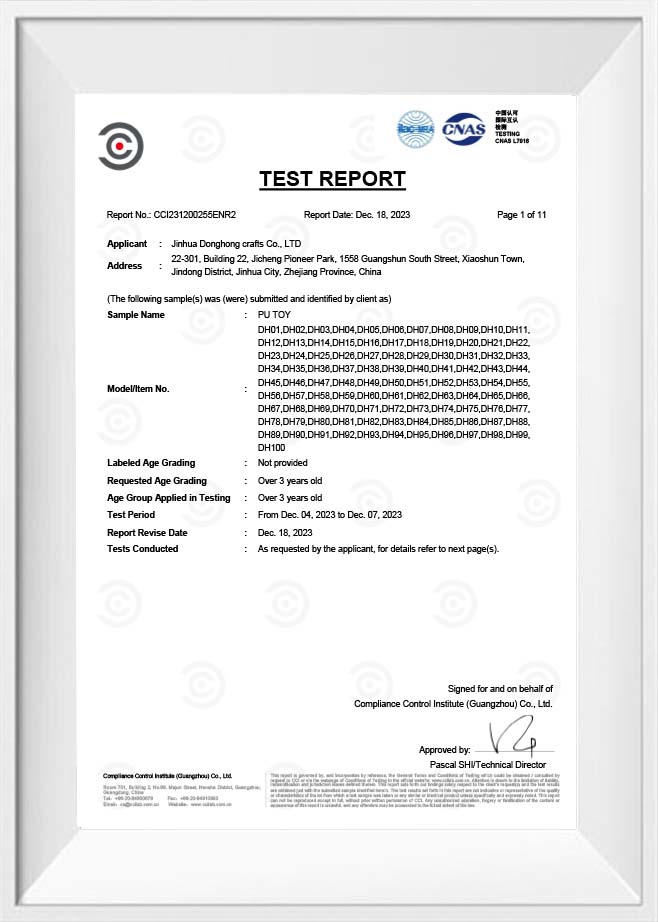
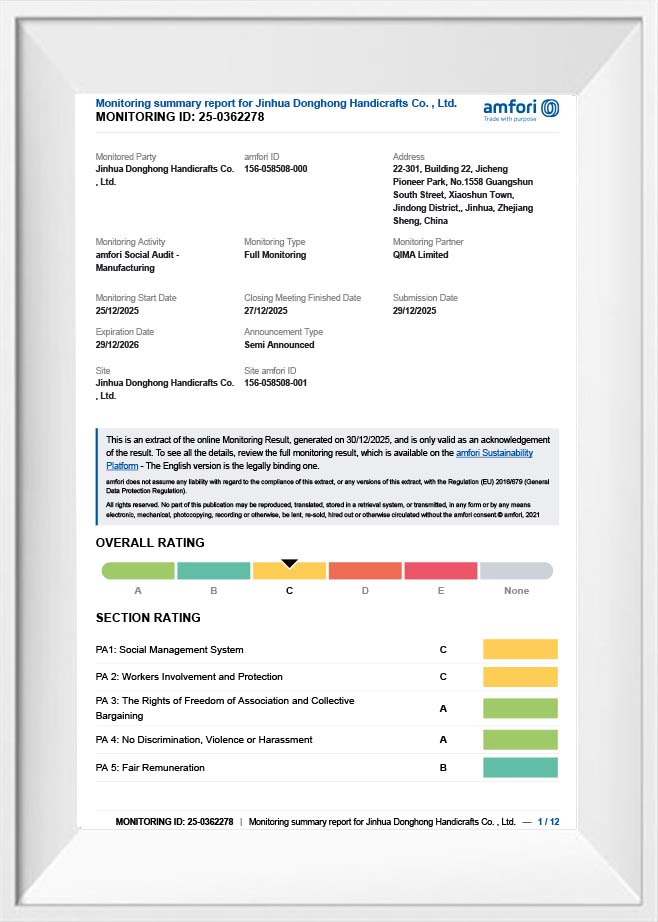
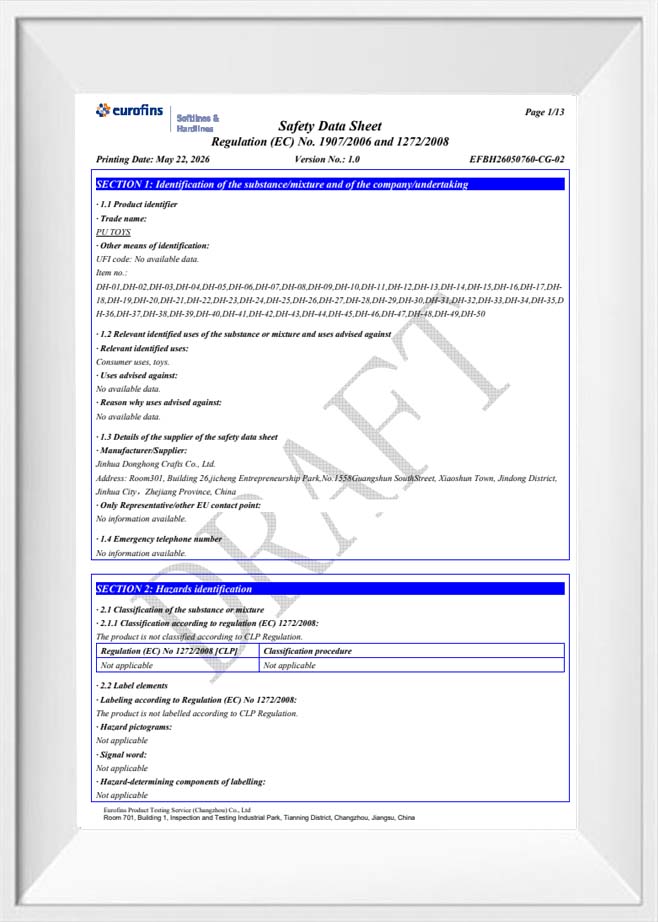
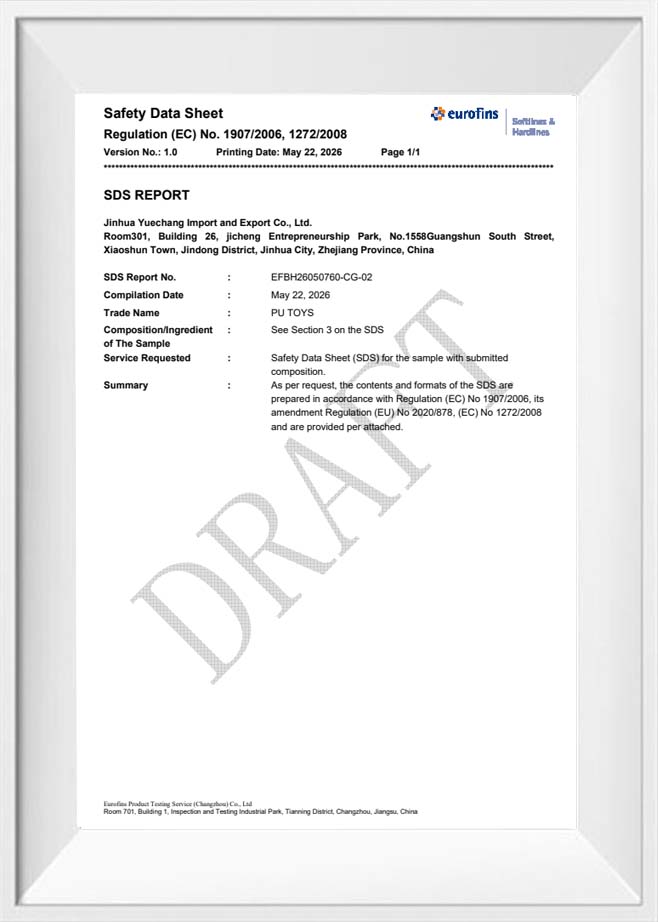
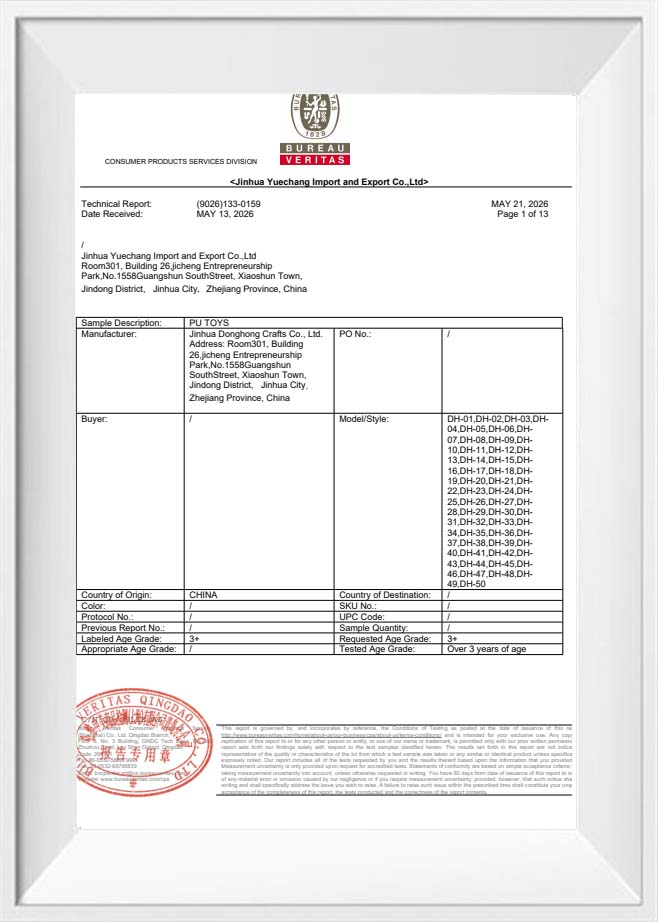
Typical buyers include toy wholesalers, maternity and infant stores, and special education or sensory integration training centers. Their rounded, plump shapes and slow-rebound tactile quality make them ideal as soothing toys for children or props for sensory training. Procurement in this category requires a strong focus on material safety certifications; for special education applications, it is advisable to consult professional institutions regarding specific requirements for materials and firmness.
- Giveaways for trade shows and local culinary cultural events
Typical buyers include local culture and tourism departments, organizers of food festivals or temple fairs, and exhibitors at pastry-related trade shows. With their intuitive shapes and distinct regional cultural identity, these items are perfect for interactive giveaways or photo-op props at events; procurement typically involves medium-to-large volumes with short lead times.
- Office stress-relief toys and social e-commerce gifts
Typical buyers include self-operated e-commerce brands and operators of social gifting platforms. Thanks to their appealing shapes and perceived stress-relieving qualities, baozi and mantou designs are popular choices for "viral" stress-relief toys on social e-commerce platforms. For scenarios requiring a superior tactile experience, premium products positioned as "soft sensory squeeze toys" should be prioritized.
- In-store displays and merchandise retail for F&B brands
Typical buyers include operators of restaurant chain outlets and retail channels for branded merchandise. These items can be sold as small impulse-buy goods at checkout counters or offered as bonus gifts for stored-value card purchases or membership promotions; procurement volumes generally scale with the number of store locations and the duration of the promotional campaign.
Why choose this category for procurement?
- High visual recognition; naturally compatible with Chinese F&B and cultural-creative brands
Unlike generic cartoon designs, shapes based on Chinese flour-based foods—such as baozi, mantou, and jiaozi—evoke strong associations with regional culture. When used as co-branded gifts for restaurants or as items in a cultural-creative product line, they effectively reinforce the mental link between "brand, product, and culture," thereby reducing the need for additional consumer education regarding the brand identity.
- Natural suitability for "slow-rise" effects and a highly authentic stress-relief experience
The visual expectation of steamed buns (baozi and mantou)—characterized by their round, plump shapes and fluffy exteriors—aligns perfectly with the soft, slow-rise tactile feel of "squishy" toys. Unlike designs that require extra styling to convey a "stress-relief" quality, food-themed items like these have a natural advantage in delivering a satisfying tactile experience.
- Ideal for product series, covering diverse SKU and gift-set requirements
Items such as baozi, mantou, and dumplings can be developed into a "Chinese Dim Sum Family" series. This meets procurement needs for multi-SKU sales—such as blind boxes, gift sets, and retail merchandise—allowing a single development project to spawn various end-product formats.
Frequently Asked Questions
Q1: What is the difference between a "Squishy Dumpling" and a "Dumpling Squishy Toy"?
A: Both center on the dumpling shape, and there are usually no strict categorization standards distinguishing them; the names often simply reflect the differing conventions of various suppliers or product lines. When sourcing, it is best to compare actual product photos, design details (realistic vs. cartoon styles), dimensions, and material feel rather than relying solely on the product name to judge differences.
Q2: Is a "Soft Sensory Squeeze Toy" the same as a standard squishy toy?
A: A "Soft Sensory Squeeze Toy" emphasizes a "sensory tactile experience" in its positioning. While round shapes like steamed buns are common formats for these, the product fundamentally belongs to the category of slow-rise squishy toys. If the buyer intends to use them for children's sensory training or special education support, it is recommended to clarify this intended use with the supplier and consult professionals regarding the suitability of materials and hardness; one should not judge suitability based solely on the product category name.
Q3: Which is more difficult to mold: the pleated texture of a baozi or the smooth shape of a mantou?
A: Generally speaking, replicating pleated textures (such as the gathered folds at the top of a baozi) places higher demands on mold precision and painting techniques, often requiring a longer development cycle and more rounds of prototyping. Mantou shapes are relatively simpler, with the focus placed on overall proportions and achieving a smooth surface finish. Specific details regarding molding difficulty and timelines should be confirmed directly with the supplier.
Q4: Is it possible to create realistic replicas based on the actual steamed bun products of a specific store or brand?
A:Yes. The typical process involves: providing physical samples or high-resolution images of the brand's products → supplier assessment of mold-making feasibility → quotation and confirmation of the mold-making timeline → prototype creation to approve the shape and paint finish → mass production. Please consult the supplier for specific details regarding the process, timeline, and costs.


 English
 русский
 Français
 Español
 Deutsch
 عربى
عربى