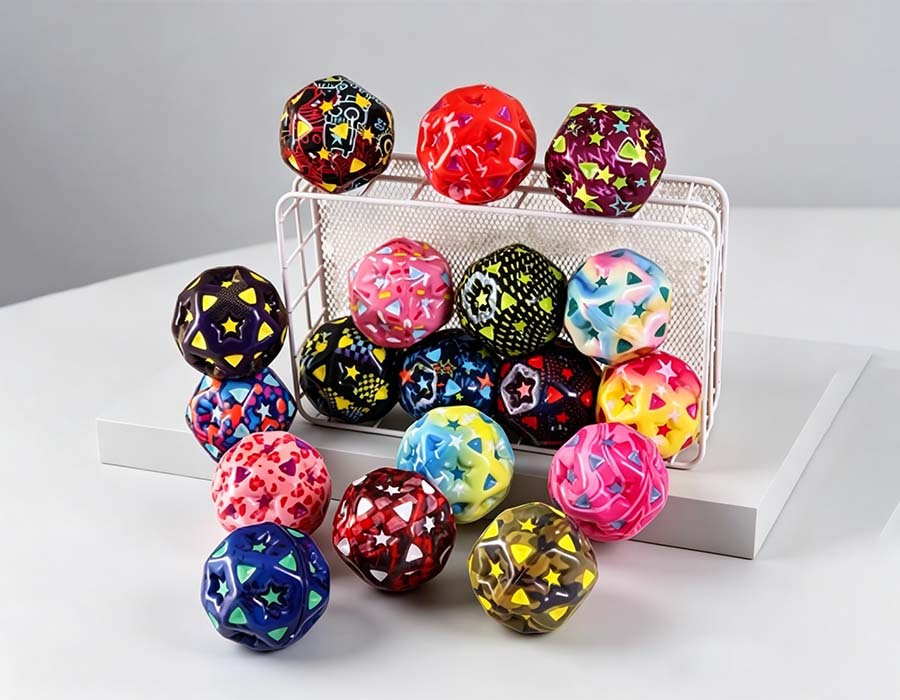
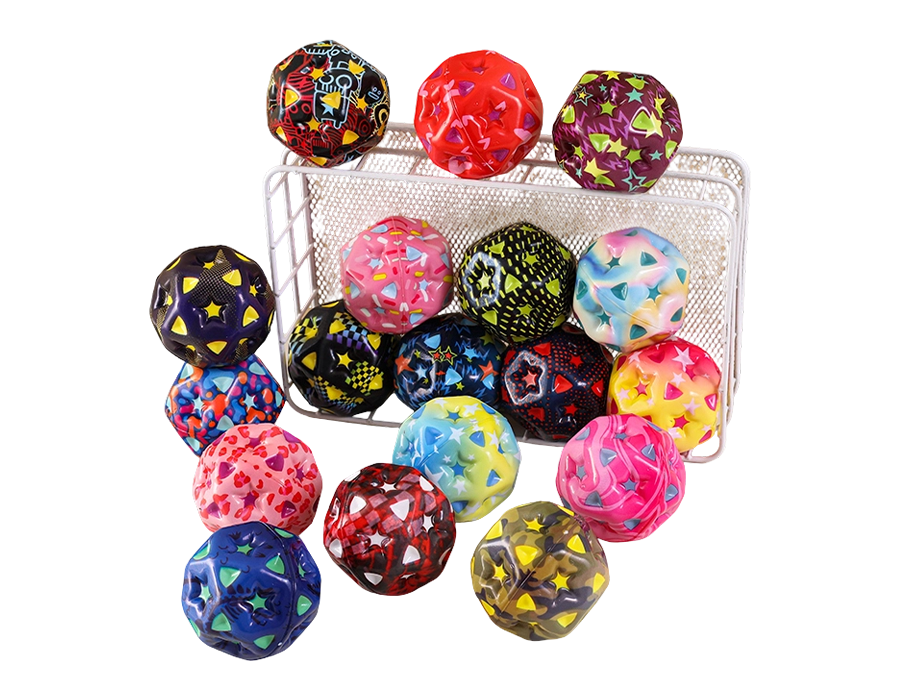
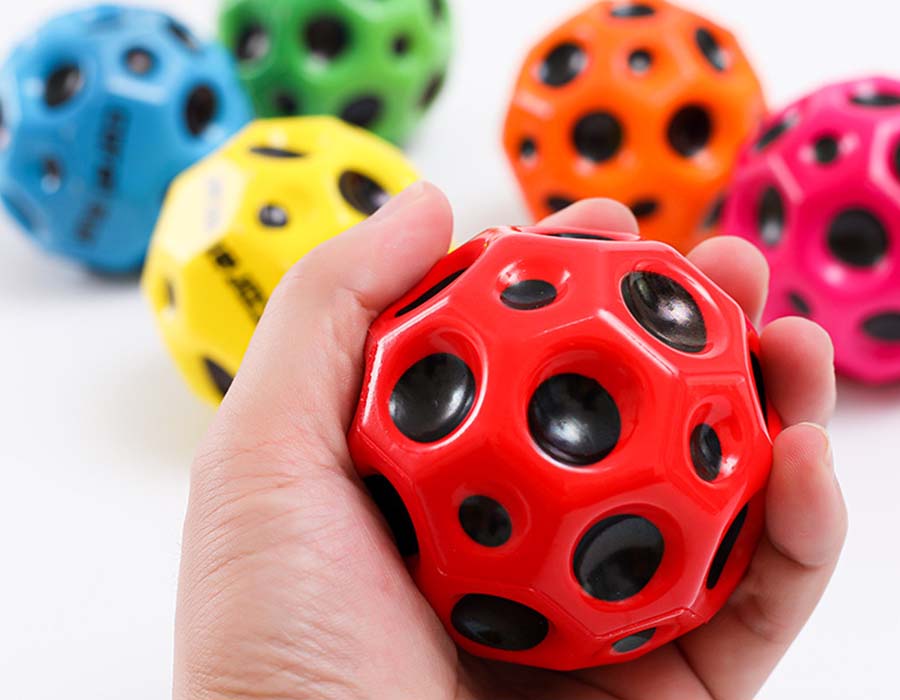
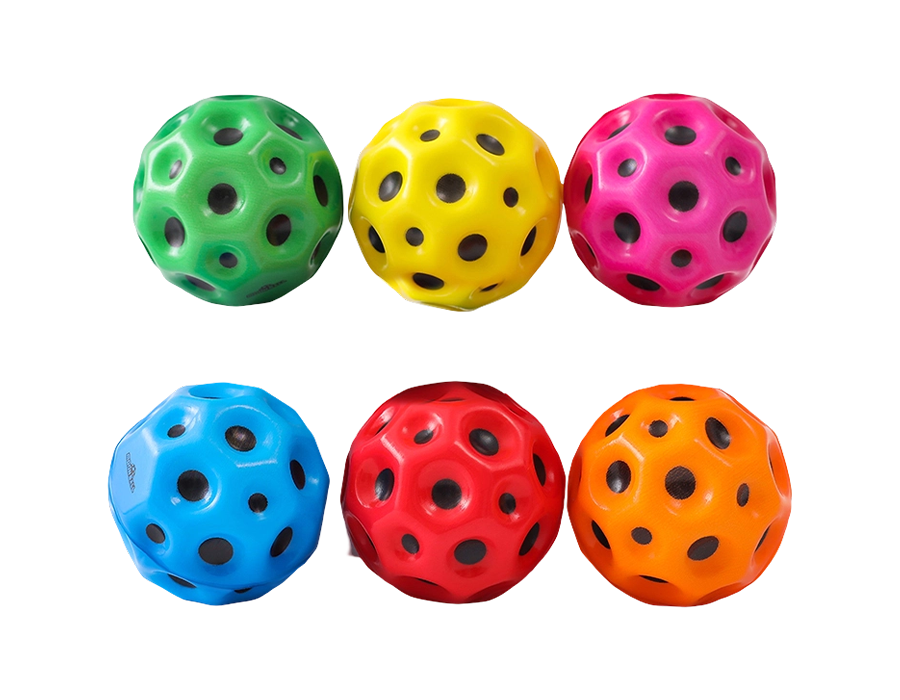
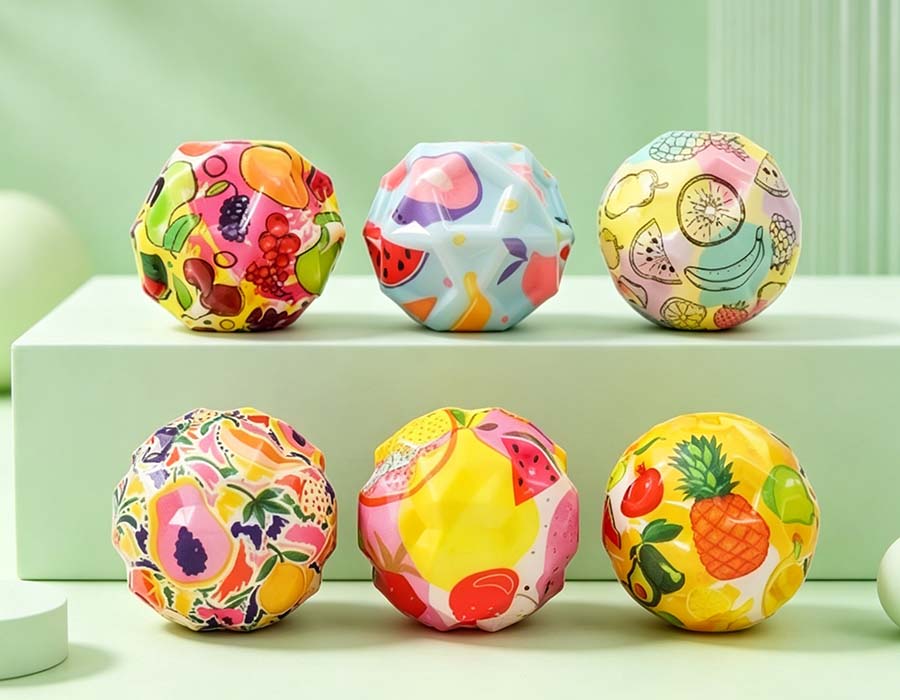
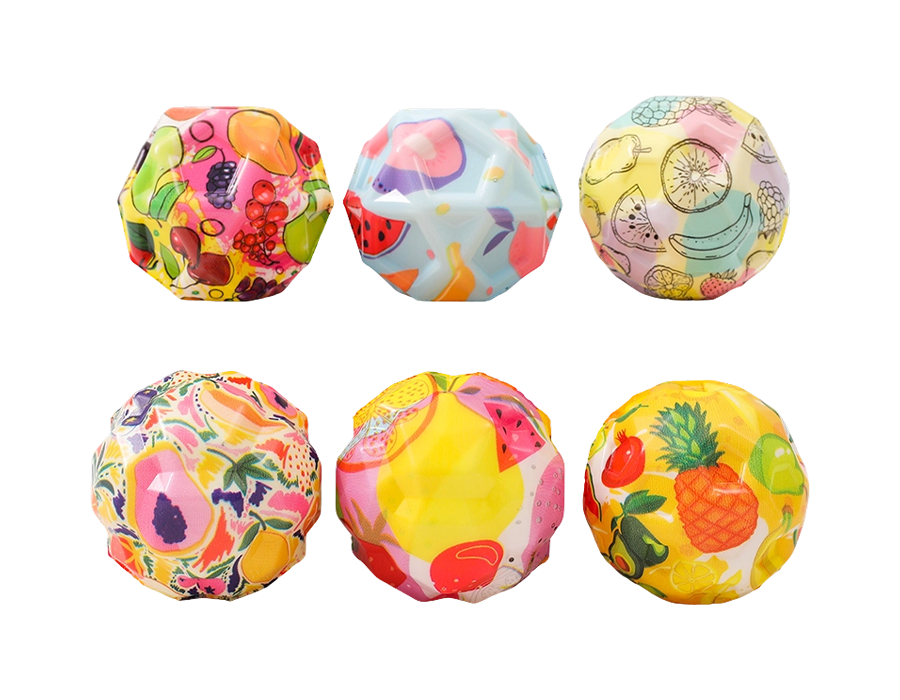
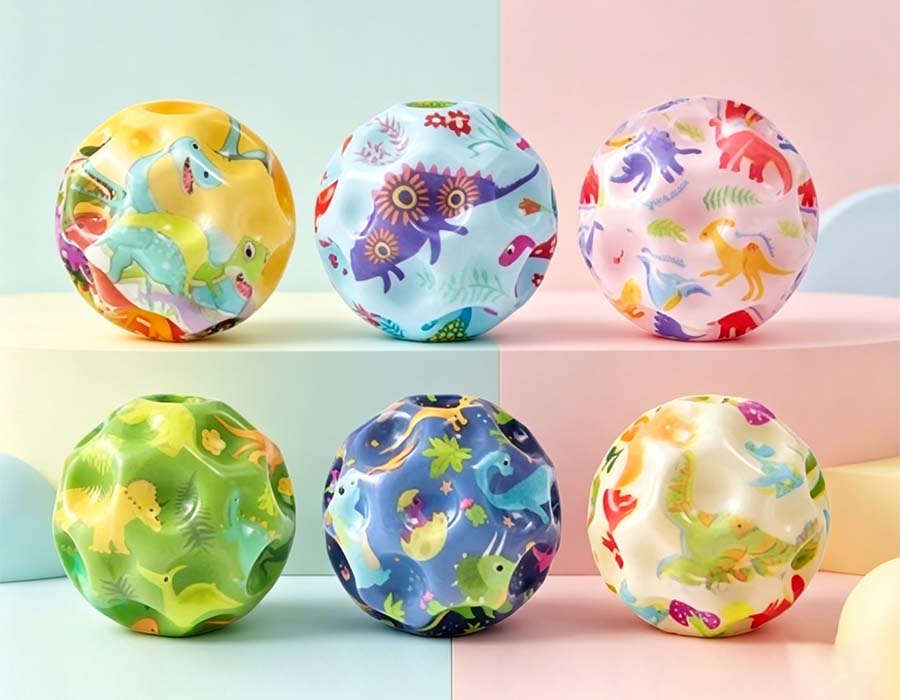
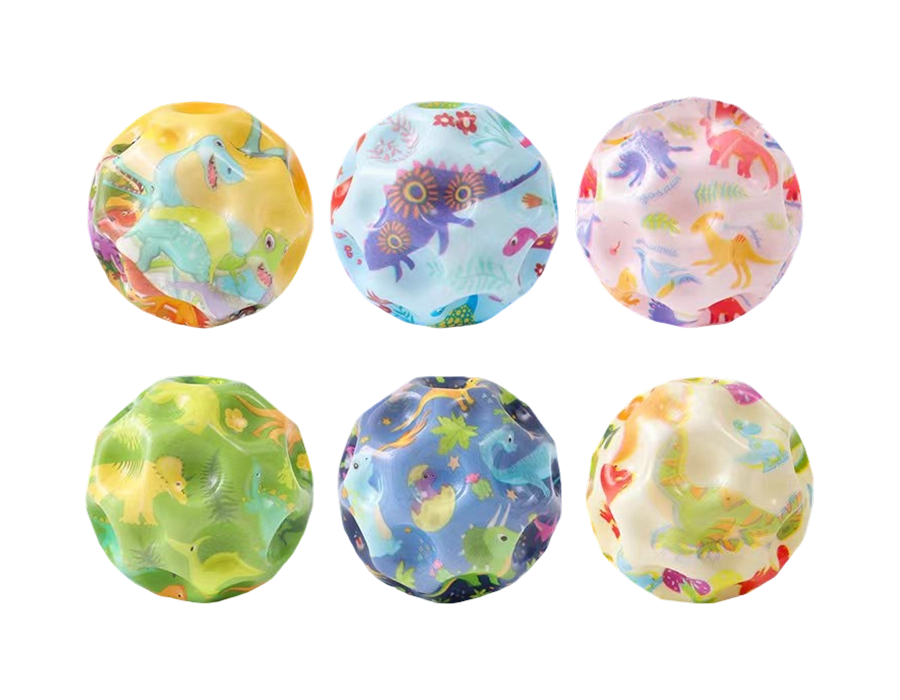
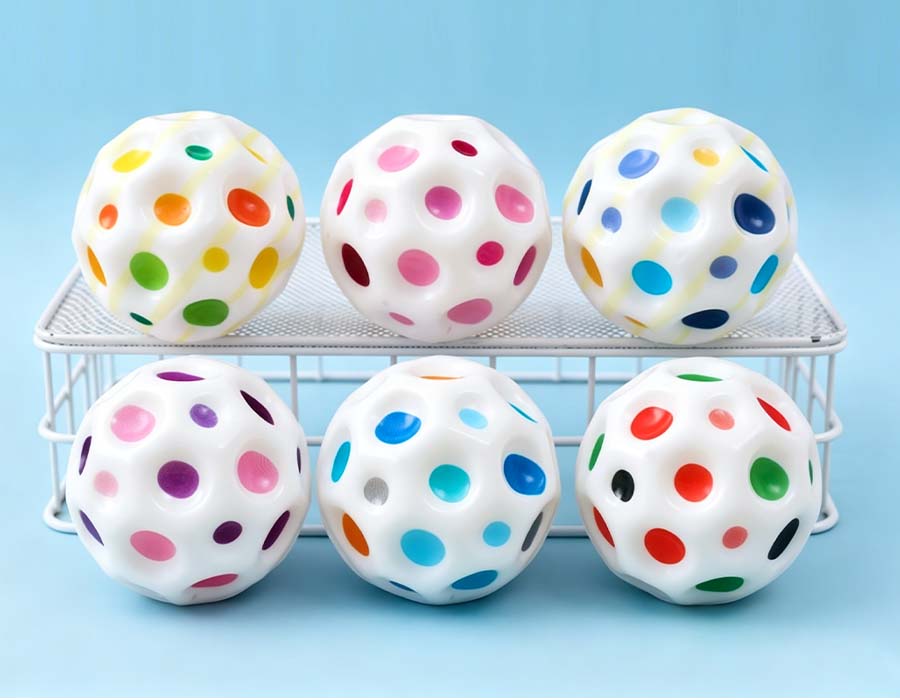
PU Bounce Balls are solid or semi-solid balls primarily made from polyurethane (PU) foam. They combine the physical characteristics of bounciness and squeezability with rebound, representing a distinct category within the bounce ball market that differs from traditional rubber or latex balls.
Material Composition: Manufactured primarily using a PU foaming process, the formulation can be adjusted to balance high bounce and slow rebound (slowly returning to shape after being squeezed) by controlling foam density. Consequently, these balls can be produced as high-bounce balls for sports training or as squeeze balls designed for stress relief;
Weight and Tactile Feel: Compared to solid rubber balls of the same size, PU foam balls are generally lighter and have a softer surface feel. They also typically generate less noise upon impact or landing than hard rubber balls (actual noise levels depend on density and surface finish; testing actual samples is recommended);
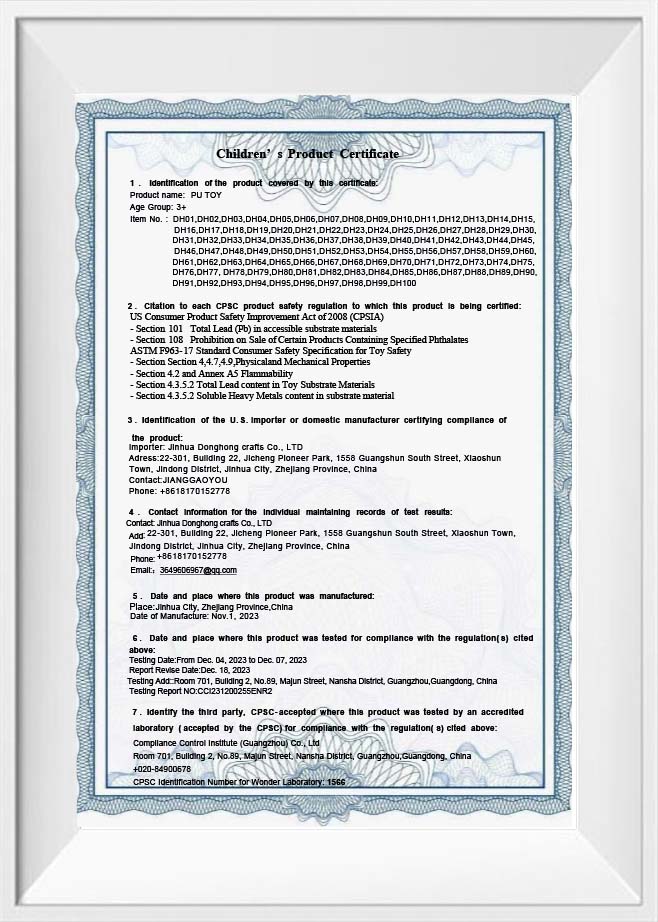
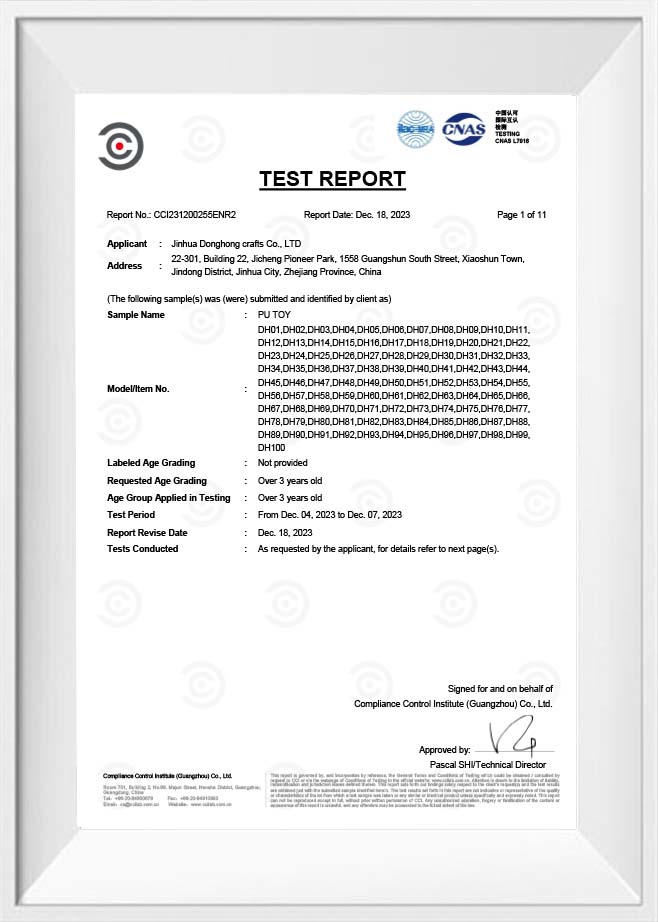
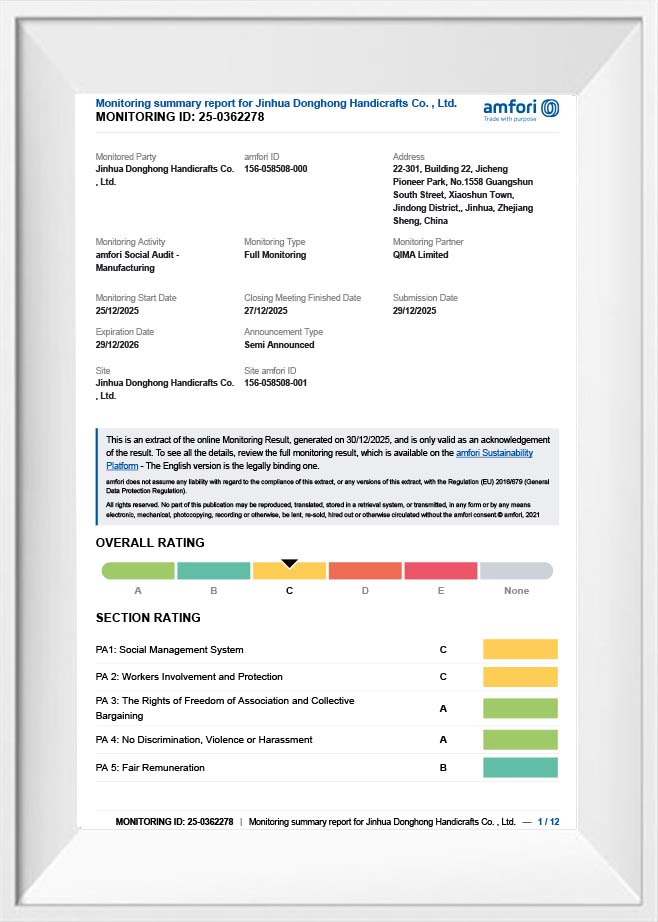
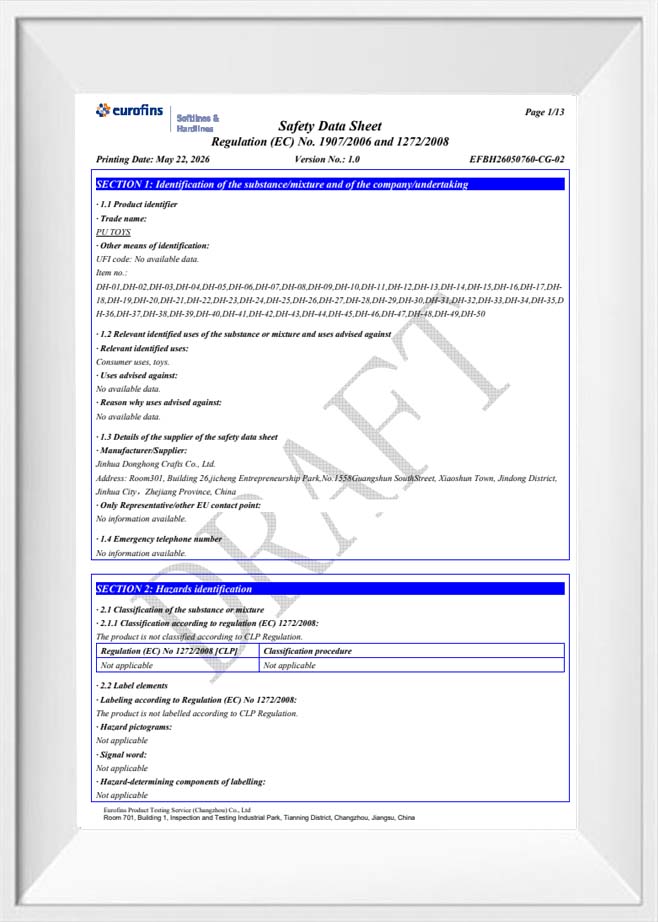
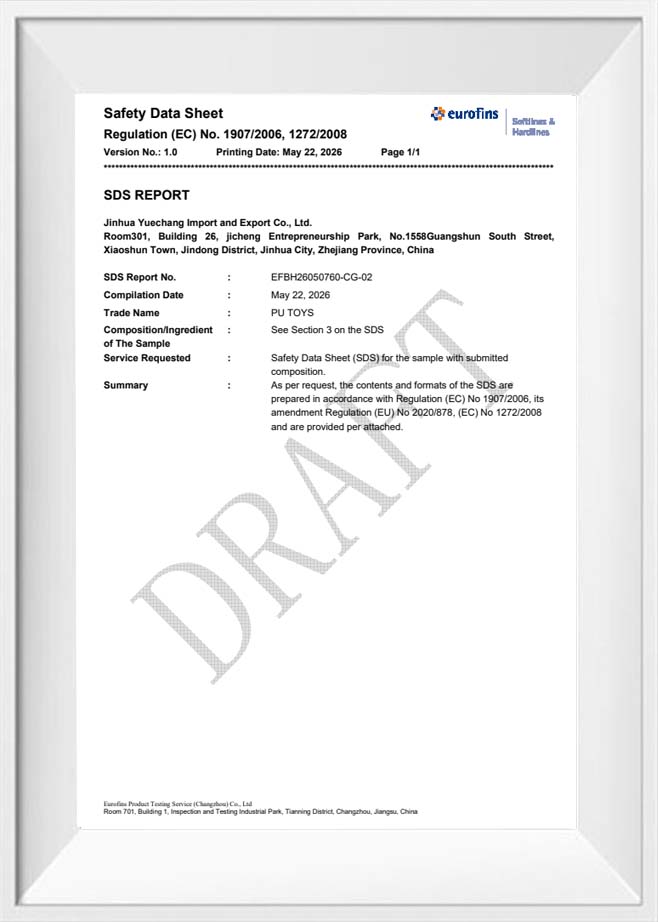
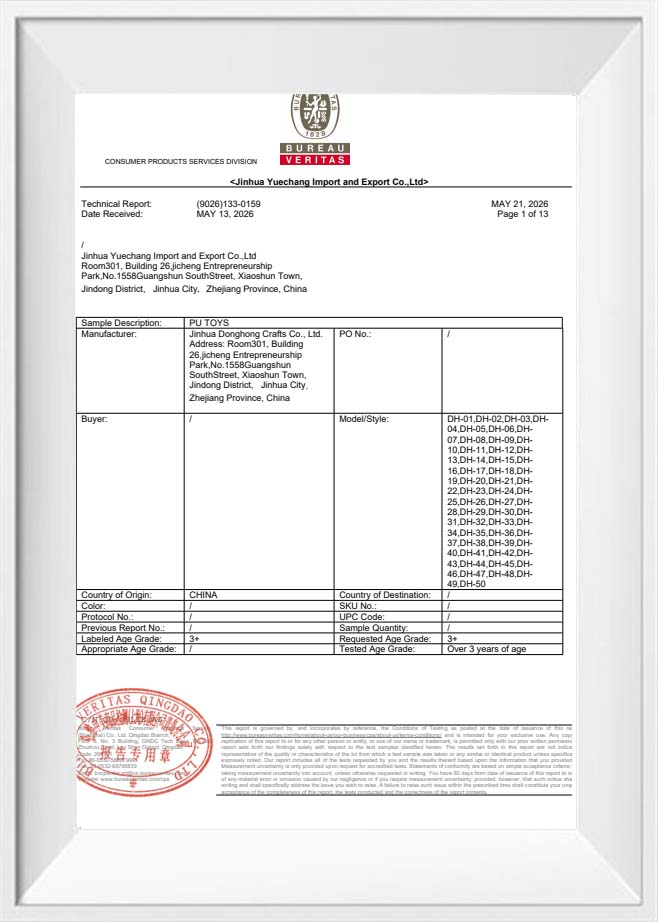
Safety Design: Due to their soft material and lack of sharp edges, PU foam balls are frequently used in settings requiring high safety standards, such as youth sports training and indoor ball activities. However, compliance with specific safety standards should be verified against test reports provided by the supplier.
Application Scenarios for PU Bounce Balls
- Sports Training and Sporting Goods Retail
Typical buyers include sporting goods distributors, youth physical training centers, and school sports equipment procurement departments. High-rebound PU balls, which offer bounce characteristics similar to traditional sports balls, are suitable for training or as accessories for sports equipment; buyers should specify the required bounce height range and intended sport prior to purchase.
- Children's Toys and Early Education Equipment
Typical buyers include toy wholesalers, early education centers, and maternal and child product retailers. The soft PU foam material and lack of sharp edges make these balls ideal for children's grip training and parent-child interactive games. Products such as PU "squeeze-rebound" toys (stress-relief balls) are widely used in this sector; compliance with safety certification requirements for children's toys is a key consideration for buyers.
- Indoor Sports and Apartment/Classroom Settings
Typical buyers include indoor sports equipment distributors, educational institutions, and operators of community sports facilities. The PU Silent Ball is specifically designed for indoor settings where noise sensitivity is a concern; it is suitable for light activities such as indoor dribbling and passing. To determine if it meets the noise-reduction requirements of a specific venue, it is recommended to request actual test data from the supplier or arrange an on-site trial before purchasing.
Typical buyers include pet product distributors and purchasing agents for pet store chains. Lightweight, soft PU foam balls are often used as interactive fetch or chew toys for dogs. However, regarding the suitability of PU material for pet chewing, one should verify material safety and relevant suitability tests with the supplier; purchasing based solely on standards for sports equipment or children's toys is not recommended for pet-related applications.
Customization options for the PU Bounce Ball category primarily fall into two dimensions
Performance customization and appearance customization. Buyers can typically request the following:
- Performance Customization: Choose from three performance profiles based on intended use—High Rebound, Slow Rebound (Squeeze Rebound), or Silent—or fine-tune the foam density based on prototyping feedback to meet specific performance requirements
- Size/Weight Customization: Adjust the ball's diameter and weight according to the usage scenario (e.g., for children's grip, adult training, or promotional gift sizes)
- Surface Finish Customization: Includes surface color, pattern printing, color-blocking designs, and corporate logo customization (specific capabilities depend on the supplier's equipment)
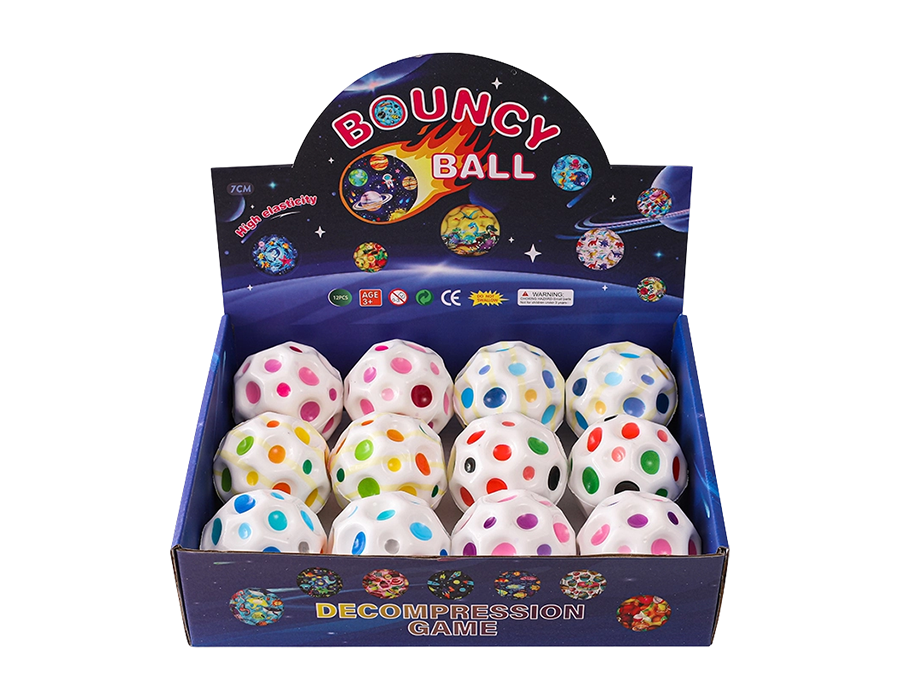
- Packaging Customization: Supports various packaging formats such as blister cards, color boxes, and mesh bags to meet retail display or gift-giving needs
- Certification/Material Compliance Customization: If the product is intended for the children's market, sports equipment market, or sales in specific countries/regions, it is recommended to clarify the target market and usage scenario before placing an order and to request relevant test reports from the supplier (e.g., safety certifications for children's toys, eco-friendly material certifications, etc.)
Frequently Asked Questions
Q1: Are the High Rebound PU Ball, PU Squeeze Rebound Toy Ball, and PU Silent Ball interchangeable?
A: Although all three belong to the PU foam ball category, they differ in foam density and formulation design, resulting in significant differences in performance. The High Rebound line prioritizes bounce performance; Squeeze Rebound focuses on a slow-rebound feel with reduced bounce; and the Silent line centers on noise reduction. We recommend clarifying your intended use case (e.g., athletic training, stress-relief toys, or indoor quiet exercise) before selecting a product line, rather than using them interchangeably.
Q2: Do PU foam balls have a lower bounce height compared to traditional rubber bouncy balls?
A: This depends on the specific foam density and formulation design. While High Rebound PU balls are designed to mimic the bounce performance of traditional bouncy balls, the material's inherent properties may result in differences regarding bounce height and consistency compared to solid rubber balls. We recommend relying on actual test data provided by the supplier or conducting side-by-side physical tests; no universal conclusion is drawn here.
Q3: How much noise reduction does the PU Silent Ball actually provide? Where can it be used?
A: Noise reduction levels depend on various factors, including ball density, surface finish, flooring material, and the force applied; actual test data may vary between suppliers. We recommend requesting specific noise test data from the supplier or conducting a trial run at the intended location before placing a bulk order.
Q4: Is the PU Bounce Ball suitable as a pet toy?
A: Standard production is designed for sports, children's toys, and stress-relief applications. If you intend to use the product for pet activities like fetching or chewing, please verify material safety and suitability testing with the supplier; we do not recommend purchasing products intended for sports or children's use for pets without such verification.


 English
 русский
 Français
 Español
 Deutsch
 عربى
عربى