

 English
 русский
 Français
 Español
 Deutsch
 عربى
عربى
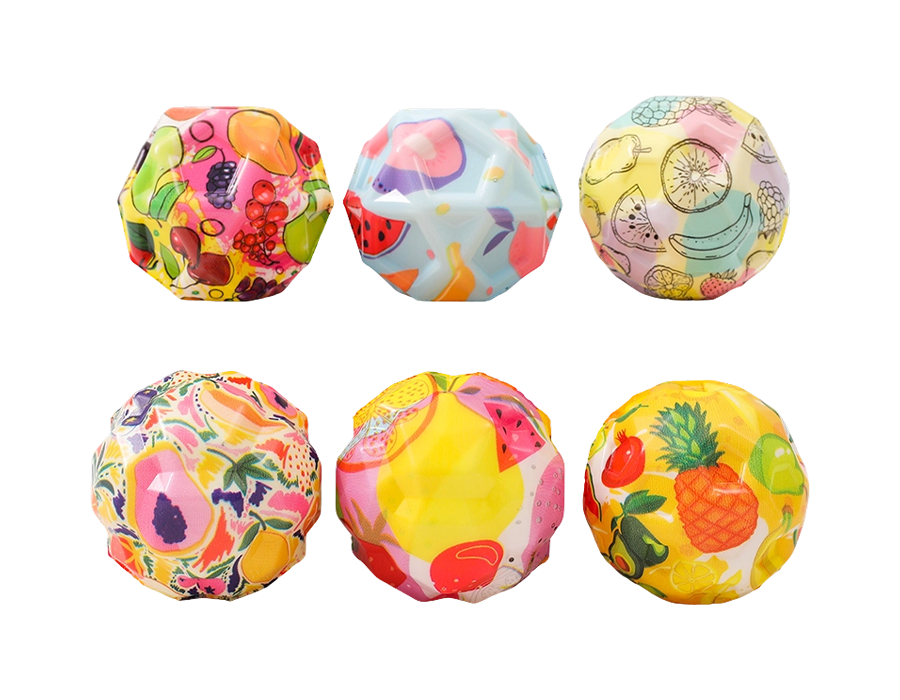
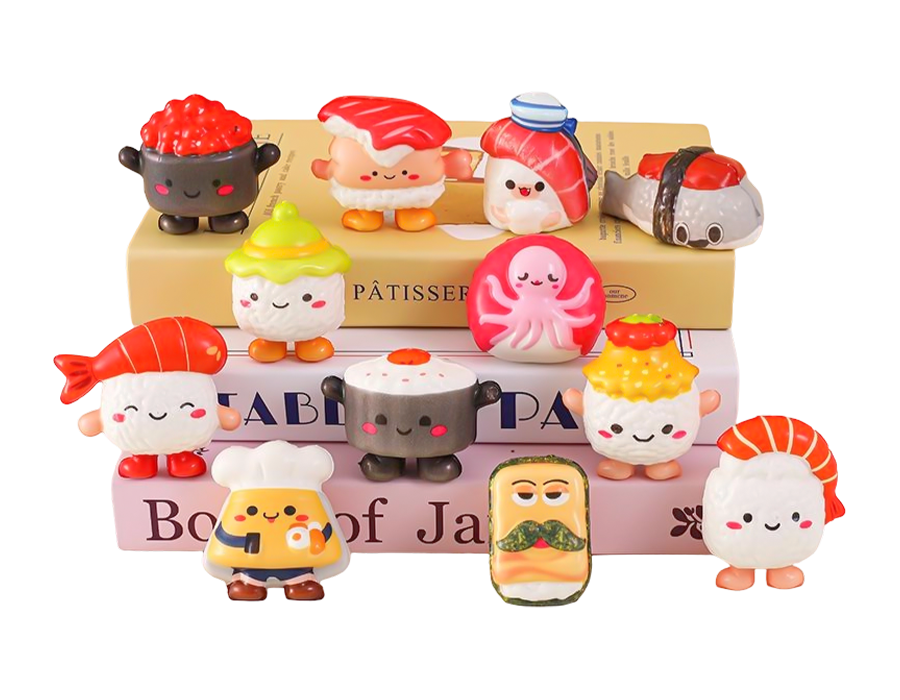
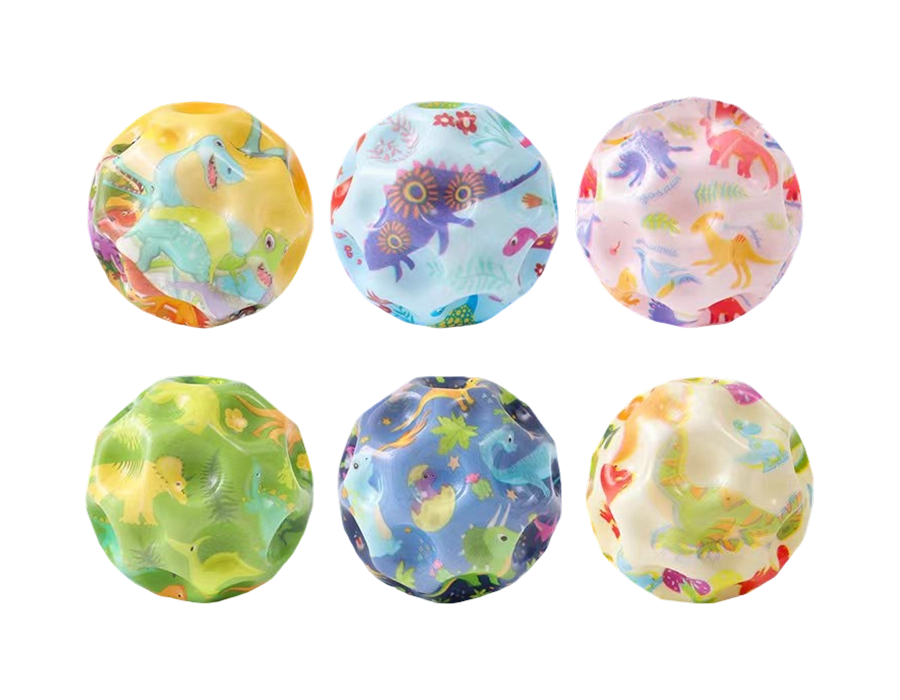
PU Toys are becoming increasingly diverse as manufacturers use the material’s adjustable physical properties to develop different shapes, textures, an...
READ MORENews

Cheap Squeeze Toys Reflect Simpler Product Design
 2026.09.11
 Industry News
Cheap Squeeze Toys occupy a practical segment of the soft-toy market where product cost is closely connected to design decisions. A lower retail or wholesale price does not necessarily come from changing one material alone. Mold complexity, product size, decoration, packaging, production efficiency, and material consumption can all influence the final cost structure. For buyers working with high-volume orders, understanding these relationships helps explain why visually simple squeeze toys can be developed at different price levels.
Mold Design Sets an Early Cost Boundary
The mold is one of the first factors that separates a simple squeeze toy from a more elaborate design. A basic round, animal, food, or geometric shape generally requires less mold complexity than a character containing fine facial features, deep recesses, narrow sections, or multiple structural details.
For Cheap Squeeze Toys, manufacturers often simplify the geometry so that the mold is easier to produce and the production process remains efficient. This does not mean removing all visual appeal. Instead, the design can focus on recognizable shapes and simple surface details that create a clear product identity without adding unnecessary manufacturing steps.
Standardization Helps Control Unit Cost
Standardized dimensions can also make a significant difference when products are manufactured in larger quantities. Keeping several designs within similar size ranges can simplify material consumption, production arrangements, packaging dimensions, and carton utilization.
This is particularly relevant to Cheap Squeeze Toys, because small differences in size can accumulate across a large order. A standardized product structure allows bu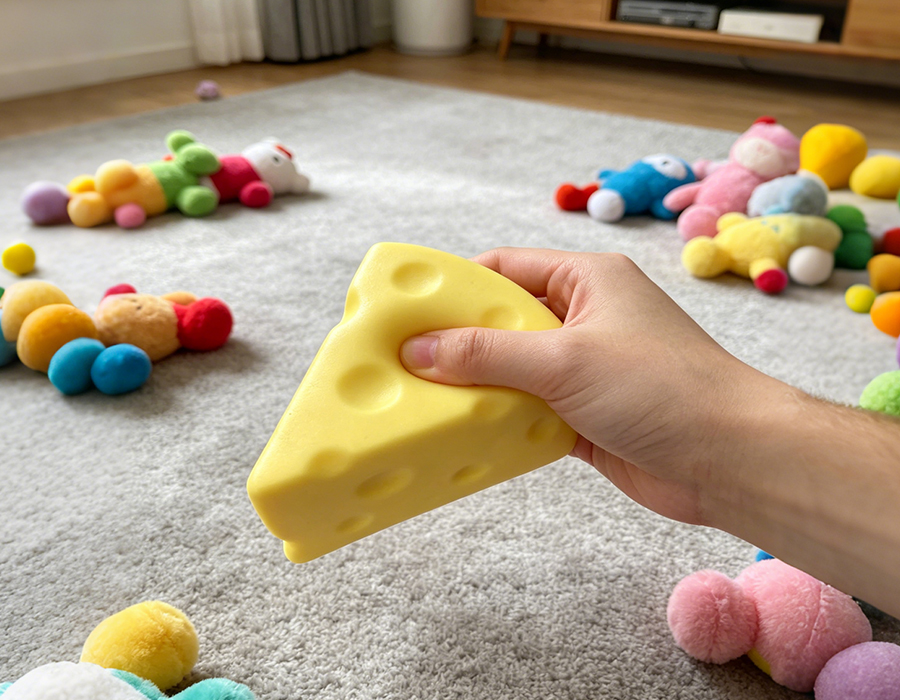 yers to compare different designs while keeping the basic production framework relatively consistent. The result is a product category where design variety can coexist with a controlled manufacturing process.
Decoration Changes the Price Structure
Surface decoration is another variable that affects product cost. Full-color printing, multiple printed areas, special finishes, and complicated graphic requirements generally involve more processing than a single-color design or an undecorated surface.
For price-sensitive product programs, manufacturers may therefore use a limited color palette or concentrate graphics on specific areas. The objective is not simply to reduce decoration, but to make the decoration work within the overall cost structure. A simple shape with well-planned printing can still create enough visual distinction for different collections or promotional themes.
Packaging Needs to Match the Product
Packaging can easily become an overlooked part of the cost calculation. Individual boxes, shaped inserts, multilayer packaging, and additional accessories can increase both material usage and packing labor. For Cheap Squeeze Toys, simpler packaging formats can help keep the total product package aligned with the intended price level.
Poly bags, header cards, basic printed packaging, or standardized retail formats may be considered when elaborate presentation is not necessary. Packaging dimensions also influence shipping efficiency, especially when buyers order large quantities for promotional campaigns, party favors, seasonal programs, or general retail distribution.
Different Price Levels Come From Different Combinations
There is rarely one single factor that determines whether a squeeze toy falls into a lower or higher price range. Material density, product weight, mold complexity, printing requirements, packaging, order quantity, and production efficiency can interact with each other.
This means Cheap Squeeze Toys should be evaluated as a complete product configuration rather than by unit price alone. A buyer comparing two similar designs may find that the difference comes from decoration, weight, packaging, or mold structure rather than a fundamental difference in the basic toy concept.
For B2B product development, the practical approach is to define the target price level first and then adjust the design variables around it. Simplified molds, standardized dimensions, controlled decoration, and appropriate packaging can work together to create a cost-conscious squeeze toy while preserving the essential tactile and visual characteristics of the product.
News
-
-
A CE Certified Squeeze Pen sits between two familiar product categories: a functional writing instrument and a tactile squeeze toy. This combination c...
READ MORE -
Product Features Behind Modern Sensory Toy Development The toy market continues to expand toward products that combine visual creativity with interact...
READ MORE -
Manufacturing Steps Behind Creative Functional Toy Pens Creative stationery products require a combination of practical functions, attractive design, ...
READ MORE



Stay In Touch
No. 1558, Guangshun South Street, Xiaoshun Town, Jinyi New District, ZhejiangProvince, China
+86-18170152778
Copyright © Jinhua Donghong Arts & Crafts Co., Ltd.
